Facial PRP is a non-surgical treatment, popularly known as the “vampire facial”, in which platelet-rich plasma prepared from the person’s own blood is applied to the facial skin. PRP is the abbreviation of “Platelet-Rich Plasma”. The treatment aims for skin renewal, firmness and radiance.
As skin ages, collagen production decreases and elasticity is lost. Thanks to the platelet-derived growth factors it contains, PRP is thought to possibly support the skin’s natural renewal processes.
How Is It Applied?
Before the procedure, the person’s skin type, health status, medications and expectations are assessed by the doctor. The treatment consists of the following stages:
- Blood draw: A small amount of blood is drawn.
- Separation: The blood is spun in a centrifuge to separate the platelet-rich plasma.
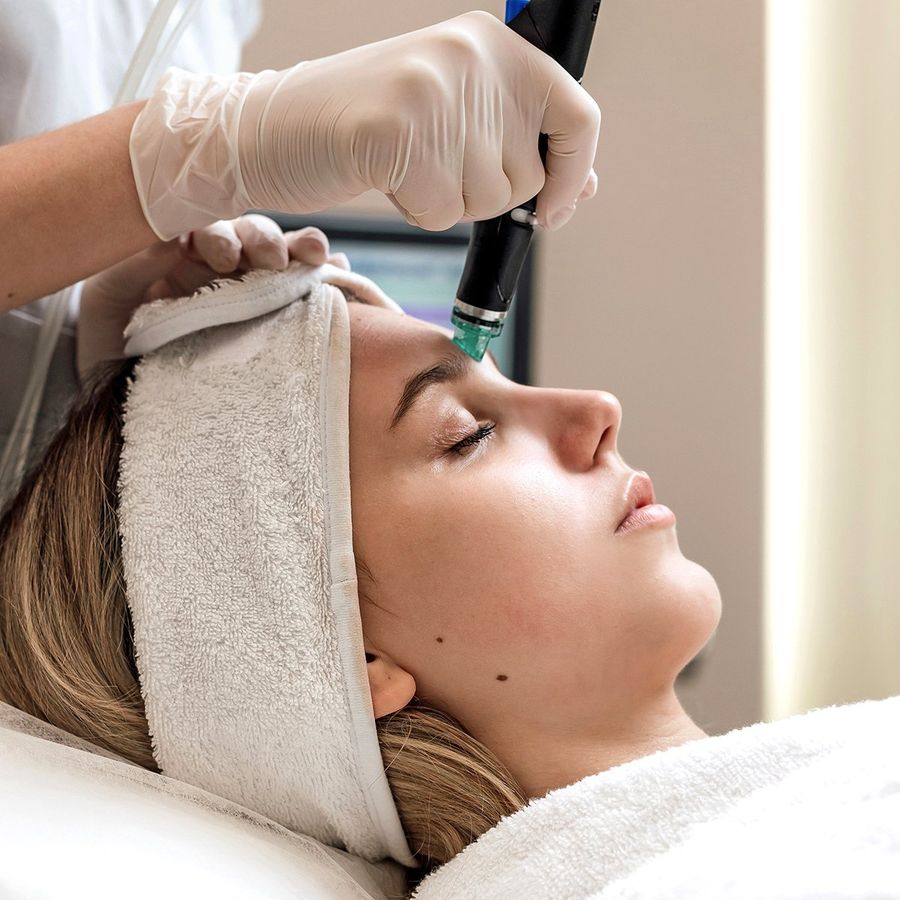
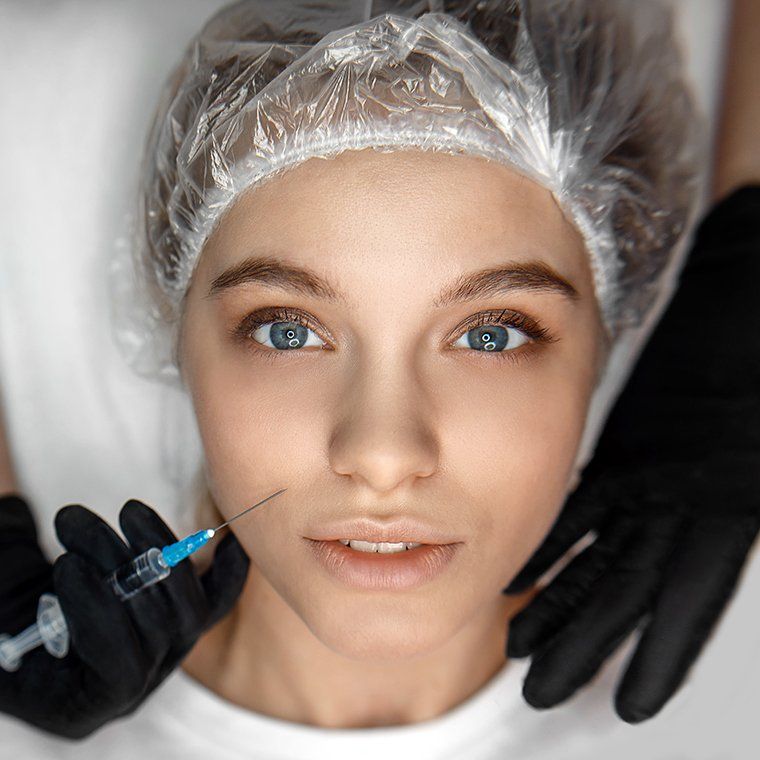
- Application: The plasma is injected under the skin with fine needles or may be applied together with microneedling. In addition to the face, it may also be applied to the neck, décolleté and hands.
It is important that the blood draw, centrifugation and injection are performed under sterile conditions with single-use materials. The procedure takes about 30–45 minutes on average. A stinging sensation may be felt during the injection; a numbing cream may be used for comfort, and the level of discomfort varies from person to person.
What Is It Used For?
Depending on the doctor’s assessment, facial PRP may be applied for the following purposes:
- Helping the skin look more vibrant and radiant
- Helping the skin texture look smoother
- Helping to soften the appearance of fine lines
- Supporting skin elasticity and collagen production
- Helping to even out skin tone and soften the appearance of spots and sun damage
- Helping to soften the appearance of superficial acne scars
- Helping to reduce a dull, tired look under the eyes
PRP is not a filler or a facelift procedure; it should not be expected to add volume directly to the skin or to correct advanced sagging. Results vary from person to person.
Who May It Be Suitable For?
- People with dullness, dryness or a tired look in their skin
- Those concerned about fine lines
- Those with spots, acne scars or uneven skin tone
- Those looking for a treatment focused on skin quality that does not add volume
Who May It Not Be Suitable For?
The procedure may be postponed or considered unsuitable in situations such as active infection in the treatment area, severely low platelet count or a clotting disorder, use of blood-thinning medication, uncontrolled systemic diseases, active cancer treatment, pregnancy and breastfeeding. The decision on suitability is made by the doctor after assessing the person’s health status and medications.
How Many Sessions Are Needed and When Is the Effect Seen?
The number of sessions varies with the person’s age, skin type and needs; usually 3 sessions are planned at 2–4 week intervals. To help maintain the appearance, maintenance sessions may be performed depending on the doctor’s assessment.
The effects usually appear not immediately but gradually, along with the skin’s renewal process. Results may vary depending on age, lifestyle, skin type and the number of sessions.
Aftercare Points to Note
Brief redness, tenderness, mild swelling or bruising may occur on the skin; redness usually resolves within 1–2 days. After the procedure:
- The treated area should not be touched for a while.
- Strenuous exercise should be avoided on the first day.
- Turkish baths, saunas and very hot showers should be avoided.
- Care should be taken to protect the skin from the sun.
- The skincare products recommended by the doctor should be used.
Possible Risks
Because PRP is obtained from the person’s own blood, the risk of an allergic reaction is usually low; however, there are injection-related risks such as redness, bruising, swelling and, rarely, infection. These risks should be discussed with the doctor before the procedure.
Conclusion
Facial PRP is a treatment that does not require surgery and aims to support the skin’s self-renewal process. It aims for changes in skin vibrancy, radiance and texture quality; results vary from person to person and suitability is determined following the doctor’s assessment.