Botox is a botulinum toxin treatment that temporarily reduces the movement of the facial expression muscles, aiming to soften the appearance of expression lines on the forehead, between the brows and around the eyes. “Botox” is the popular name for botulinum toxin treatment. The result depends not only on the product used, but also on an accurate assessment of facial anatomy, the muscle structure, the dose administered and the correct choice of injection points.
How Does Botox Work?
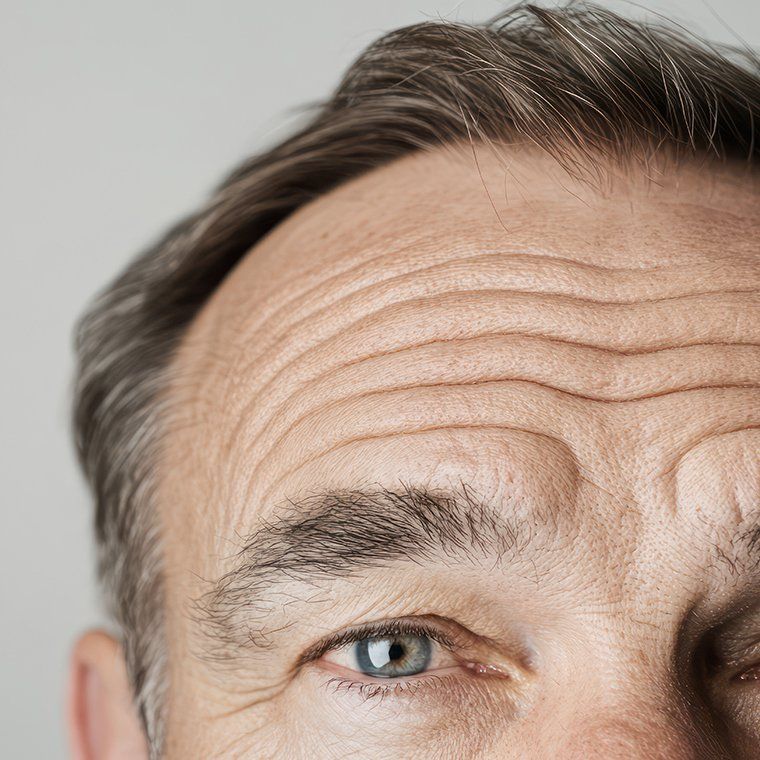
Facial expressions such as smiling, frowning, squinting and looking surprised are created by the facial muscles. Repeating the same movements over the years can cause lines that at first appear only during an expression to gradually become visible at rest as well.
Botulinum toxin temporarily limits the contraction signal sent from the nerve endings to the muscles in the area where it is applied. When muscle movement decreases, the lines created by that movement may also look softer over time. The aim is not to make the face motionless, but to reduce in a controlled way the excessive muscle movement that causes lines, while preserving natural expressions.
Which Areas Can Botox Be Applied To?
The treatment area is determined according to the person’s needs and facial anatomy. The areas most commonly assessed for aesthetic purposes are:
- Forehead lines
- Vertical lines between the brows
- Crow’s feet around the eyes
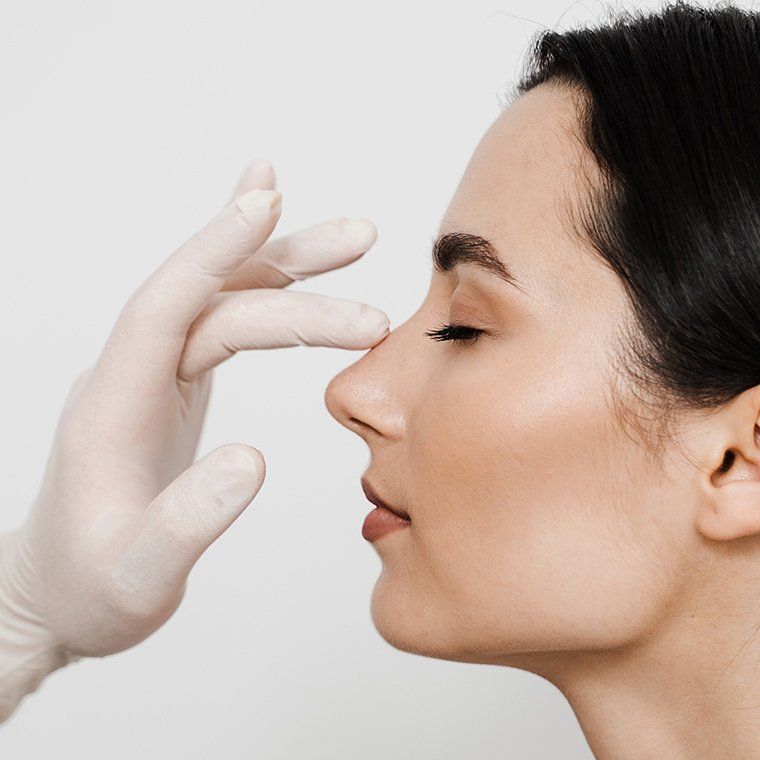
- Expression lines on the nose and the muscles that pull the nasal tip downwards
- Fine lines above the upper lip and the muscles that pull the corners of the mouth downwards
- Orange-peel appearance of the chin
- Prominent muscle bands on the neck
- Chewing muscles
The same amount is not applied to every area. The dose is determined by the doctor according to muscle strength, sex, facial structure, expression habits and expectations.
Masseter (Jaw Muscle) Botox
The masseter, a chewing muscle, can become prominent in some people and contribute to a wider-looking lower face; people who habitually clench their teeth may feel tension in this muscle. Following the doctor’s assessment, botulinum toxin may also be applied to this muscle. In masseter treatment, the dose, injection points and duration of effect differ from facial Botox; suitability and the change that can be expected are discussed during the examination.
Is Botox a Filler?
No. Botox does not add volume to the face; its main purpose is to temporarily reduce the excessive or repetitive movement of certain muscles, and it is preferred especially for dynamic lines caused by facial expressions. Fillers, on the other hand, usually aim to provide volume and tissue support to specific areas with substances such as hyaluronic acid. For some people Botox alone may be enough, while for others different treatments may be considered together; the decision is made after the examination.
How Is the Treatment Performed?
Before the procedure, the facial structure, muscle movements and expressions are assessed. You are asked to make movements such as frowning, smiling or raising your forehead so that the active muscles and injection points can be identified.
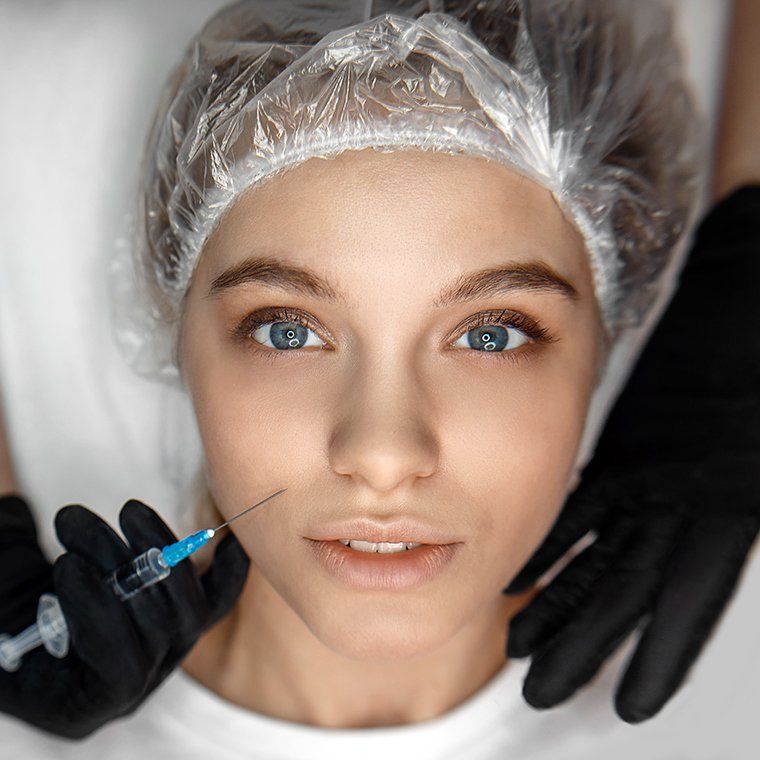
Botulinum toxin is applied in small doses to pre-planned points using fine-tipped syringes. The procedure is usually short, and most people can continue with their daily life the same day. A brief stinging or burning sensation may be felt during the treatment; the discomfort felt varies with the person’s pain threshold and the treatment area.
When Does the Effect Begin and How Long Does It Last?
The effect does not appear immediately after the procedure. The first changes usually start to be felt within a few days; the result is mostly assessed after 10–14 days. The onset time may vary depending on the area, dose, muscle strength and individual characteristics.
The effect of Botox is temporary. In aesthetic facial treatments the effect usually lasts around 3–4 months; this period varies from person to person. Factors that may affect the duration include muscle structure and strength, the treatment area, the dose used, metabolism, whether the person has had treatment before, intense physical activity and how often the expressions are used.
As the effect wears off, muscle movements return gradually; the lines do not suddenly return to how they were. The timing of a repeat treatment is decided with the doctor based not on a calendar but on how much the effect has decreased and on the person’s needs; treatments should not be repeated more often than necessary.
Personalized Planning for a Natural Look
A natural look depends on choosing a dose suited to the facial anatomy and on maintaining the balance between muscles. Not every expression line needs to be erased completely; an excessive dose or failure to consider muscle balance may lead to a frozen expression or asymmetry. Because the muscle structure of women and men may differ — for example, men may have stronger forehead and frown muscles — the dose and injection points are planned individually.
By balancing the muscles that pull the brow down and those that lift it, a slight shaping of the brows may be aimed for; however, this does not produce the same effect as a surgical brow lift.
Who Should Not Have It, and What Should You Tell the Doctor?
Botox may be considered, following the doctor’s assessment, for adults who have no health condition that prevents treatment; not everyone who applies may be suitable. The treatment is not performed if there is an active infection in the treatment area or a known hypersensitivity to the substances in the product. The following conditions must be shared with the doctor before the procedure:
- Pregnancy or breastfeeding
- Diseases affecting the nerves and muscles (neuromuscular disorders)
- Bleeding or clotting disorders
- Medications taken regularly
- Previous reactions to botulinum toxin
- Other recent aesthetic procedures
- Existing problems with swallowing or breathing
The decision on suitability is made not online, but as a result of an in-person examination. There is no fixed age limit; facial expression patterns, the condition of the lines, expectations and medical suitability are assessed together.
Aftercare Points to Note
- The doctor’s personal recommendations should be followed.
- Unnecessary pressure should not be applied to the injected areas, and the areas should not be rubbed or massaged.
- Mild redness, tenderness or small bumps may appear at the injection points; these usually subside within a short time.
Possible Side Effects
Pain, redness, swelling, tenderness or bruising may occur at the injection site; some people may have a temporary headache. Depending on the treatment area, unwanted effects such as temporary asymmetry or drooping of the brow or eyelid may develop. A detailed assessment of facial anatomy and identification of the correct muscles are important to reduce these risks.
Very rarely, serious symptoms such as difficulty swallowing, changes in speech, widespread muscle weakness or difficulty breathing may occur; in such a case, medical help should be sought without delay.
Frequently Asked Questions
Does Botox make the face look puffy?
Because Botox is not a volumizing filler, it does not puff up the area. The small bumps that may be seen at the injection points right after the procedure are usually temporary.
Does the face sag when Botox wears off?
When the effect wears off, muscle movements return gradually. Stopping the treatment does not cause the face to sag more than it normally would.
Can Botox and filler be done on the same day?
Depending on an assessment of the areas and the person’s needs, they may be planned in the same session or at different times; the decision is made after the examination.
Is Botox also used for other purposes?
Botulinum toxin may also be used for certain medical conditions such as excessive sweating and chronic migraine. The dose, injection points and patient selection for these treatments differ from aesthetic Botox, and they are planned after the relevant problem has been assessed.
Summary
Botox is a botulinum toxin treatment that temporarily reduces the movement of the facial expression muscles and may help dynamic lines look softer. The dose and injection points are planned according to the person’s facial anatomy, muscle strength and expression characteristics; the effect is temporary and its duration varies from person to person. Expectations, health status and possible risks should be discussed with the doctor before the procedure.