Mesotherapy is a non-surgical procedure in which skin-appropriate ingredients are injected into the skin in small amounts with very fine needles, with the aim of supporting skin quality. It may be used for aesthetic purposes such as skin rejuvenation, skin spots and the appearance of cellulite, depending on the doctor's assessment. The aim of mesotherapy is to stimulate structures in the skin such as collagen and elastin.
What Is Mesotherapy?
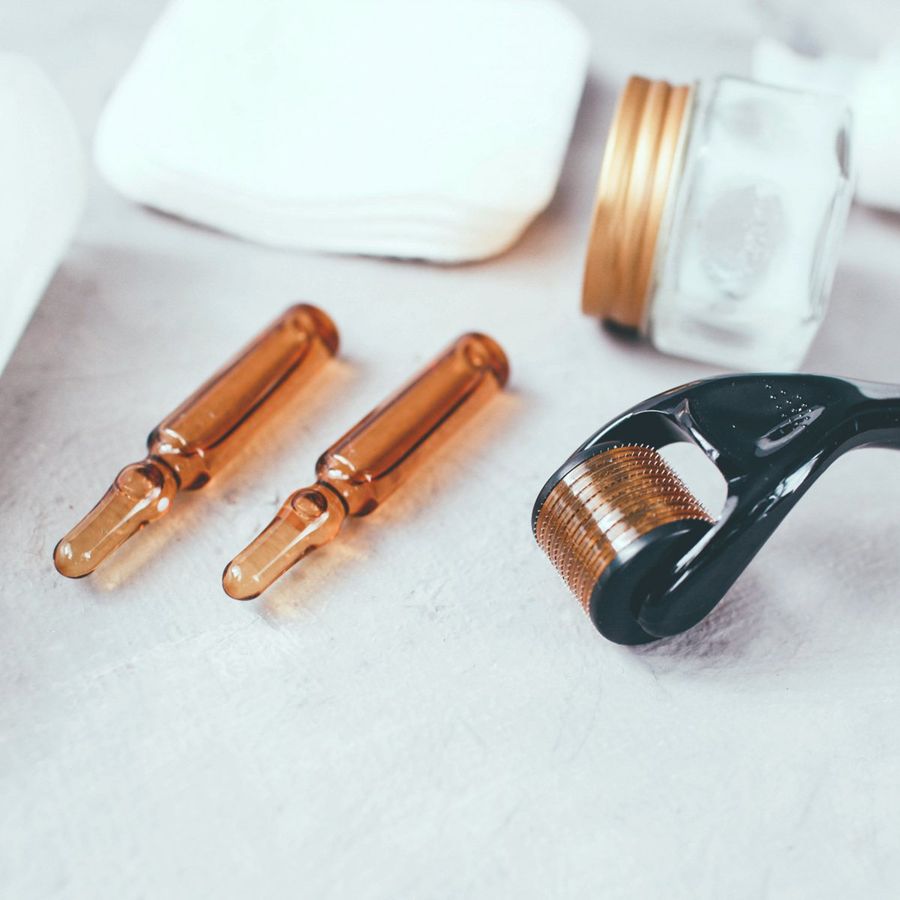
Mesotherapy is the application of vitamins, minerals, enzymes and amino acids needed by the skin into the middle layer of the skin using the microinjection method. The word literally means "middle treatment". The ingredients used are sometimes applied on their own and sometimes as a mixture.
Mesotherapy is not a single standard product or method. The ingredients to be used, the application technique and the session plan are determined individually through the doctor's assessment.
Which Ingredients Are Used in Mesotherapy?
The solution is prepared according to the person's age, needs and the general condition of the skin. The treatment plan may include one or more of the following components:
- Hyaluronic acid
- Vitamins and minerals
- Amino acids and peptides
- Antioxidant components
- Enzymes and coenzymes
The content, dose and injection depth of the product to be used are determined by the doctor. Not every product is suitable for every skin type or every person.
What Is Mesotherapy Used For?
Mesotherapy is a treatment that may be used for certain aesthetic concerns, depending on the doctor's assessment. Its main areas of use are as follows:
- It may support a refreshed skin appearance and moisture balance.
- It may help support skin firmness and elasticity.
- It may help reduce a dull and tired skin appearance.
- It may help lighten the appearance of some skin spots and sun spots.
- It may help soften the appearance of under-eye dark circles.
- It may be applied as part of skin care for the neck, décolletage and backs of the hands.
- It may help reduce the appearance of cellulite; results vary from person to person.
Not every mesotherapy treatment gives the same result. In conditions such as pigmentation or cellulite, the cause of the concern should first be identified and it should be assessed whether mesotherapy is a suitable option. Mesotherapy is not a weight-loss method that replaces a healthy diet and regular exercise.
How Is Mesotherapy Performed?
Before the procedure, the person's medical history, medications, allergies, skin structure and expectations are assessed. The area to be treated is cleaned; a numbing cream may be used for comfort.
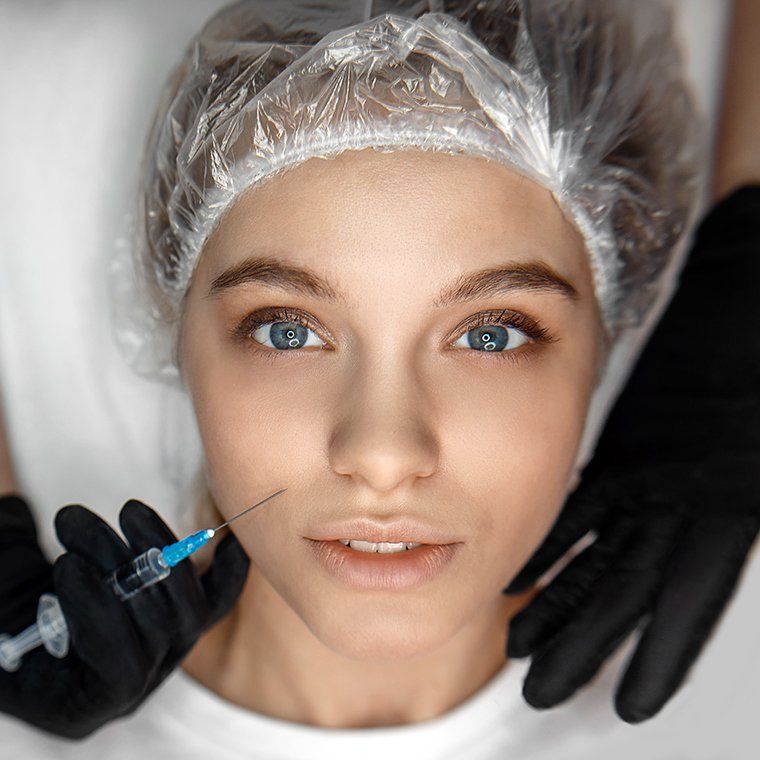
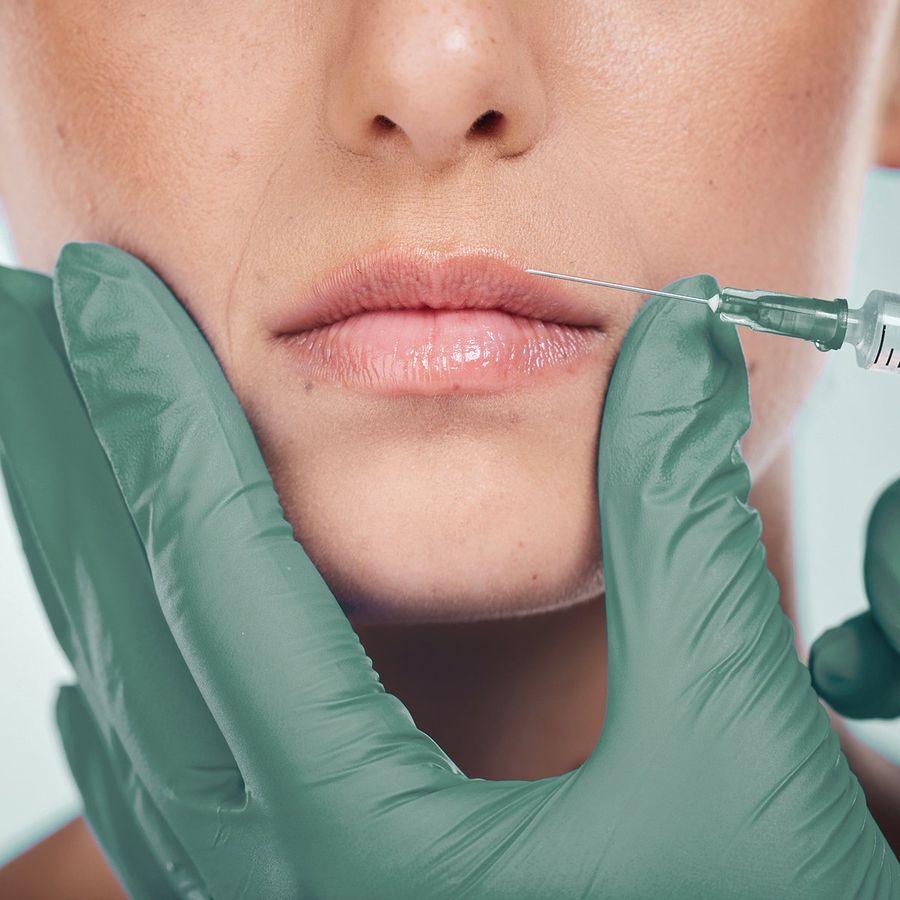
The individually prepared solution is injected in small amounts into the middle layer of the skin with very fine needles, at intervals of one to two centimetres. The depth and spacing of the injections may vary depending on the treatment area and the product used. The procedure is mostly short, and the person can usually return to daily life on the same day.
Mild stinging, burning or tenderness may be felt during the treatment; the level of discomfort varies from person to person and by treatment area.
Facial Mesotherapy (Mesolifting)
Factors such as advancing age, dietary habits and sun damage may affect skin structure. Facial mesotherapy (mesolifting) does not aim to change facial contours, but to support the overall appearance and quality of the skin. The solution used may contain antioxidants, vitamins, amino acids and minerals; in this way, the aim is to support the skin's collagen and elastin production.
The aims of facial mesotherapy are as follows:
- A more radiant and glowing skin appearance
- Softening the appearance of fine lines
- Supporting skin firmness and elasticity
- Supporting collagen production
How Many Sessions Are Needed, and When Is the Effect Seen?
The number of sessions is not standard; it is planned by the doctor according to the treatment area, the person's age, skin structure, the product used and the degree of the concern. Sessions can usually be done at intervals of one to four weeks (mostly 15–20 days apart). After the treatment, maintenance sessions may be planned depending on the doctor's assessment.
When the effect becomes noticeable varies from person to person. While changes in hydration and radiance may be noticed earlier, assessing changes in skin quality may take longer. Results are influenced by factors such as age, sun protection habits, smoking, diet and skin structure. Mesotherapy does not stop ageing; its effect diminishes over time, and repeat sessions may be planned at intervals the doctor considers appropriate to support the appearance.
What Should Be Considered After Mesotherapy?
- Strong pressure or massage should not be applied to the treated area on the same day.
- Make-up should not be applied for the period recommended by the doctor.
- Very hot showers, Turkish baths, saunas and strenuous exercise should be avoided for a short time.
- The skin should be protected from the sun and a suitable sunscreen should be used.
- The treated area should be kept clean, and products not recommended by the doctor should not be applied to it.
If the procedure is planned before an important meeting or event, possible temporary skin reactions should be taken into account.
Possible Side Effects
As with any injection treatment, mesotherapy has possible side effects; these should be discussed with the doctor before the procedure. Redness, mild swelling, tenderness, a burning or stinging sensation, small bruises, itching and temporary bumps at the injection points may occur in the treated area. These signs usually resolve within a few days. An allergic reaction to the product used may also develop; in the event of anything unexpected, you should consult the doctor.
In treatments performed under non-sterile conditions or with unlicensed products of unknown content, more serious complications such as infection, persistent nodules and scarring may develop. For this reason, mesotherapy should be performed by a doctor at an authorized healthcare facility using appropriate products.
Who Should Not Have Mesotherapy?
Mesotherapy may be performed on people aged 18 and over after a doctor's assessment. In the following situations, the treatment may not be performed, or the opinion of the relevant specialist physician may be needed:
- Pregnancy and breastfeeding
- Active infection, active cold sores or an open wound in the treatment area
- Known allergy to any of the substances in the solution
- Bleeding or clotting disorders, use of blood-thinning medication
- Diabetes, heart disease treated with more than one medication, or other uncontrolled serious chronic diseases
- History of stroke
- Cancer
- Certain diseases affecting the immune system
- Urticaria
- History of keloids or abnormal wound healing
Medications, supplements, past illnesses and known allergies should be fully disclosed to the doctor before the procedure.
How Does Mesotherapy Differ from Botox and Filler?
Botox aims to soften the appearance of expression lines by temporarily reducing the movement of certain muscles. Filler, on the other hand, is used to reduce volume loss or to support specific areas. Mesotherapy aims to support the skin's hydration, radiance and quality without adding noticeable volume; it does not replace filler. Which treatment is suitable is determined according to the person's skin needs and expectations.
Conclusion
Mesotherapy is an individually planned, non-surgical treatment that aims to support skin quality, hydration and radiance. Suitability, the ingredients to be used and the number of sessions are determined by the doctor after an examination; results vary from person to person.