Botox for excessive sweating is a botulinum toxin treatment that temporarily limits the nerve signals stimulating the sweat glands, with the aim of helping to reduce excessive sweating (hyperhidrosis). It is most often considered for underarm sweating; in suitable people it may also be applied to areas such as the palms, soles of the feet, forehead and scalp. The sweat glands are not destroyed; the aim is to keep excessive sweat production under control for a certain period.
What Is Hyperhidrosis?
Sweating is a natural mechanism necessary for maintaining the body’s temperature balance. In hyperhidrosis, however, sweating is more intense than can be explained by ambient temperature, exercise or physical activity. It can reach a level that soaks clothing, makes daily tasks difficult, or affects social life, self-confidence and work. It is most commonly seen in the underarms, palms, soles of the feet, face and forehead, and scalp.
Primary hyperhidrosis
There is no identifiable disease causing the excessive sweating. It usually begins in childhood or adolescence and is more intense in specific areas such as the underarms, palms and soles of the feet.
Secondary hyperhidrosis
It may be associated with medications, hormonal changes, thyroid disease, blood sugar disorders, menopause, infections or certain neurological diseases. If the sweating started later in life, affects the whole body or wakes you from sleep at night, the underlying cause needs to be investigated by the relevant doctor before planning treatment.
How Does Botox for Sweating Work?
Sweat glands produce sweat in response to signals from the nervous system. Botulinum toxin temporarily limits the chemical signal transmitted from the nerve endings to the sweat glands in the treated area, thereby reducing the overactivity of the glands. As the effect wears off over time, nerve transmission is restored and sweating may gradually return.
Which Areas Is It Applied To?
- Underarms: The most commonly treated area. It may help reduce wetness and sweat stains on clothing; the effect varies from person to person.
- Palms: Sweaty hands can make using a phone, pen or computer, and shaking hands, difficult. Because of the nerve and muscle structures, planning is done carefully; some people may experience temporary grip weakness.
- Soles of the feet: May be accompanied by problems such as slipping inside shoes, odour and skin irritation. As this is a sensitive area, comfort measures are planned alongside.
- Face, forehead and scalp: May be applied in suitable people; injection points are individually determined to preserve the movement of the facial muscles.
For each area, the dose and injection points are determined by the doctor according to the individual situation; possible area-specific side effects are discussed before the procedure.
How Is the Treatment Performed?
First, the areas where sweating is most intense are assessed. If needed, an iodine-starch test may be performed to define the boundaries of the sweating area. Then:
- The treatment area is cleansed.
- A numbing cream is applied if considered necessary.
- Small injection points are marked in the area where sweating is most intense.
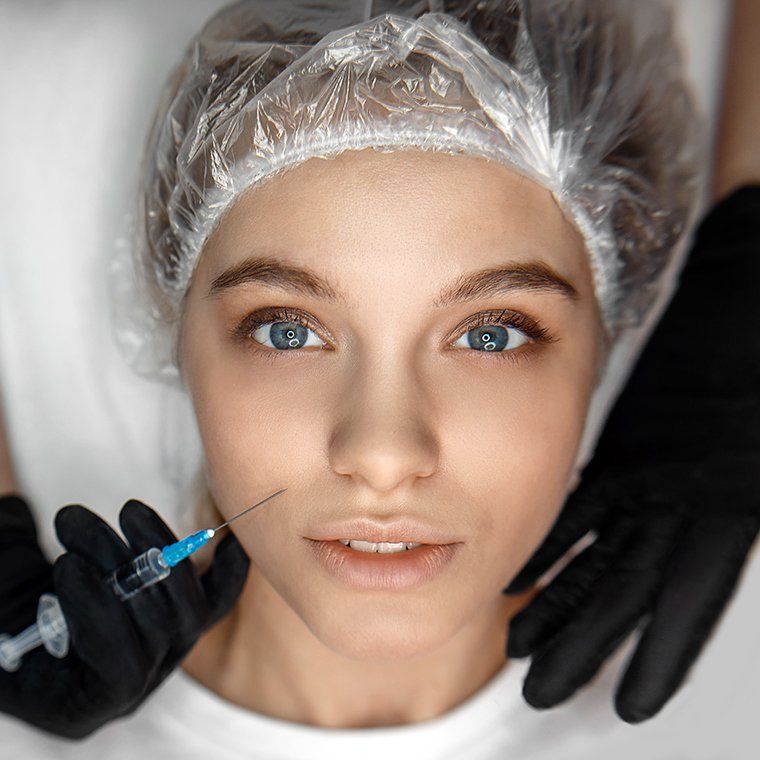
- Botulinum toxin is injected into the skin in small doses with very fine needles.
The duration of the procedure varies with the size of the area; it is usually around 20–30 minutes. In the underarms, a mild stinging and burning sensation is mostly felt. Since the palms and soles are more sensitive, numbing cream, cold application or other local anaesthesia methods may be preferred; the level of discomfort varies from person to person. Most people can return to their daily routine the same day.
When Does the Effect Begin and How Long Does It Last?
A reduction in sweating mostly begins in the first days after treatment; it usually takes 1–2 weeks for the result to become noticeable. The onset time may vary depending on the area, the severity of sweating, the dose, the person’s metabolism and whether they have been treated before.
Botox for sweating is not a permanent procedure. In underarm treatments, the effect mostly lasts several months; in areas such as the hands and feet, the duration may differ. There is no fixed repeat schedule; when sweating returns to a bothersome level, a new treatment may be planned with the doctor, also taking into account the result of the previous treatment.
Who May It Be Considered For?
- Those who do not get sufficient benefit from strong antiperspirant products,
- Those whose underarm, hand or foot sweating affects their daily life,
- Those who constantly get sweat stains on their clothes,
- Those who struggle at work or socially because of sweaty hands,
- Those looking for a non-surgical method.
The treatment can be performed on women and men; the plan is based on the area and severity of sweating and general health rather than gender. Other options also exist, such as antiperspirant products, prescription topical medications, iontophoresis and surgery; the appropriate method is determined following the doctor’s assessment.
Who Should Not Have It?
The treatment may be postponed or considered unsuitable in the following situations:
- Active infection at the injection site,
- Known allergy to botulinum toxin,
- Certain neuromuscular diseases,
- Pregnancy or breastfeeding,
- Use of medications that increase the risk of bleeding,
- Use of certain antibiotics or muscle relaxants that may interact with botulinum toxin,
- General health not being suitable for the procedure.
Medications, vitamins and supplements should be reported to the doctor; blood-thinning medication should not be stopped without the doctor’s advice.
Aftercare Points to Note
- On the first day, excessive pressure should not be applied to the area, and the area should not be rubbed or massaged.
- Products that may cause irritation should be avoided; recommendations on using deodorant or antiperspirant are given by the doctor according to the product and skin sensitivity.
- The doctor’s recommendations regarding intense exercise, saunas, Turkish baths and very hot environments should be followed.
- If there is unusual pain, redness or swelling at the injection site, the doctor should be informed.
Possible Side Effects
Side effects are mostly mild and temporary: pain or tenderness at the injection site, mild redness and swelling, bruising, itching, headache, temporary muscle pain and, after hand treatments, temporary grip weakness may occur. Rarely, more serious effects may develop; if there is widespread muscle weakness, difficulty speaking or swallowing, or difficulty breathing, urgent medical assessment is needed.
Frequently Asked Questions
Does it stop sweating completely?
The aim is to reduce sweating in the treated area to a level that does not affect daily life; sweating is not expected to stop completely in everyone. The result varies depending on the severity of sweating, the area, the dose and the person’s response.
Does it affect body temperature?
The treatment only aims to reduce sweat production in a limited area; the sweat glands in other areas continue to function. Treatments covering very large areas are assessed individually.
Does it reduce bad odour?
Sweat is mostly odourless; odour arises when sweat interacts with bacteria on the skin. Reduced moisture in the underarms may indirectly reduce odour, but Botox for sweating is not a direct odour treatment.
Summary
Botox for excessive sweating is a treatment with a temporary effect that does not require a surgical incision and may help reduce excessive sweating in areas such as the underarms, palms and soles of the feet; results and the duration of the effect vary from person to person. If sweating started suddenly, occurs at night or affects the whole body, the underlying cause should be investigated first. Suitability is determined by the doctor after an examination.