PRP (platelet-rich plasma) is a non-surgical method based on applying platelet-rich plasma, prepared from the person’s own blood, to the skin or scalp. In Turkish it is called “trombositten zengin plazma”. The aim is to support tissue renewal by making use of the body’s own repair processes.
Platelets are not only involved in blood clotting; they also contain biological substances that play a role in tissue healing. PRP is used in various fields of medicine; this page covers facial and hair treatments. Results may vary depending on the treatment area, the person’s age, general health and the characteristics of the PRP prepared.
How Is PRP Prepared?
PRP is based on the use of the person’s own blood. Before the procedure, usually about 10–20 ml of blood is drawn. The blood is placed in special tubes and spun in a centrifuge at a set speed and for a set time to separate it into its components:
- The dense layer containing erythrocytes (red blood cells)
- The intermediate layer containing leukocytes (white blood cells)
- The platelet-rich plasma (PRP) portion
The plasma obtained contains the body’s own growth factors and is administered to the treatment area with sterile syringes.
How PRP Works
The effect of PRP is thought to come from the growth factors released by platelets. These include the following molecules:
- PDGF (Platelet-Derived Growth Factor)
- VEGF (Vascular Endothelial Growth Factor)
- EGF (Epidermal Growth Factor)
- TGF-β (Transforming Growth Factor-beta)
These molecules are thought to possibly support cell renewal, collagen production and the formation of new blood vessels in the treated area.
PRP is not a stem cell treatment and does not contain cortisone; it uses plasma and concentrated platelets obtained from the person’s own blood. No one else’s blood is used.
Areas of Use
Facial and Skin Rejuvenation
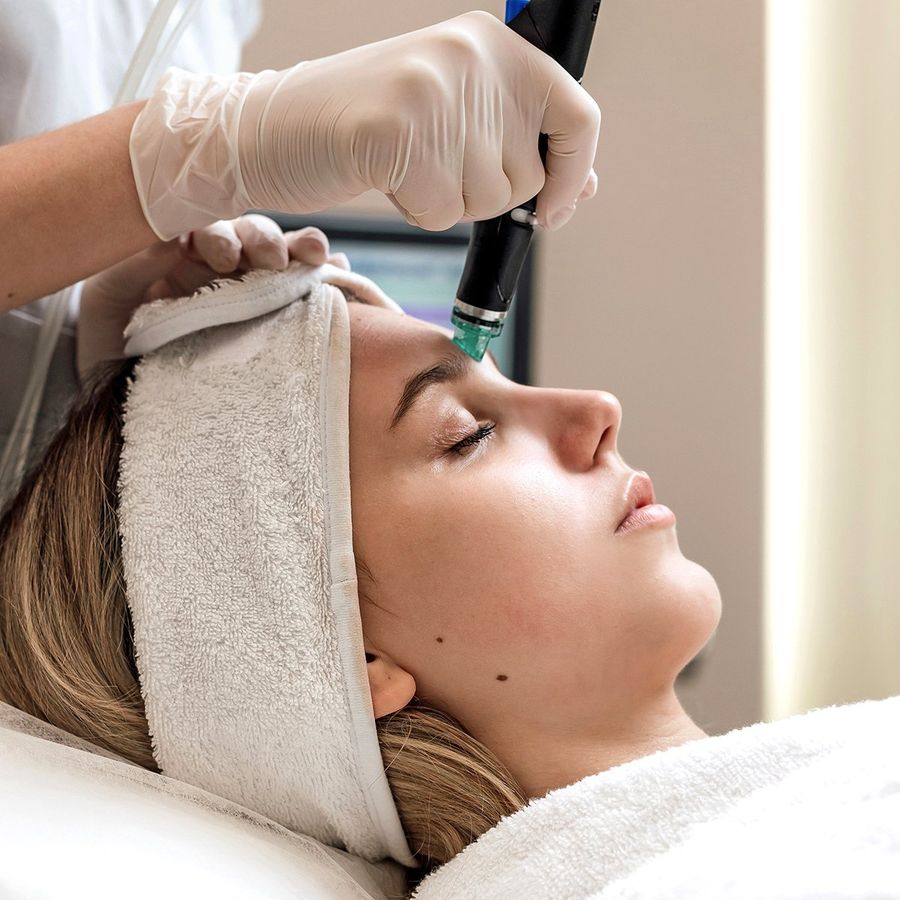
In facial PRP, the plasma may be applied to the face, neck, décolleté or hands. The aims of this treatment are:
- Supporting collagen production
- Helping the skin look more vibrant
- Helping to reduce the appearance of fine lines
- Supporting skin tone and elasticity
- Helping to soften the appearance of some acne scars
PRP is not a filler; it does not directly add volume to the face and is not a substitute for a surgical facelift.
Hair Loss
Hair PRP may be applied to support the hair follicles, particularly in women and men with hair loss due to genetic predisposition (androgenetic). The aim is to support the thickness and density of existing hair strands; new hair is not expected to grow from follicles that have completely lost their function. If the hair loss is caused by a health problem such as iron deficiency, thyroid disease or a hormonal disorder, that cause needs to be assessed first.
How Is PRP Applied?
- Assessment: Medical history, medications and expectations are discussed with the doctor.
- Blood draw: About 10–20 ml of blood is drawn.
- Centrifuge: The blood is spun in a special device to separate the platelet-rich plasma.
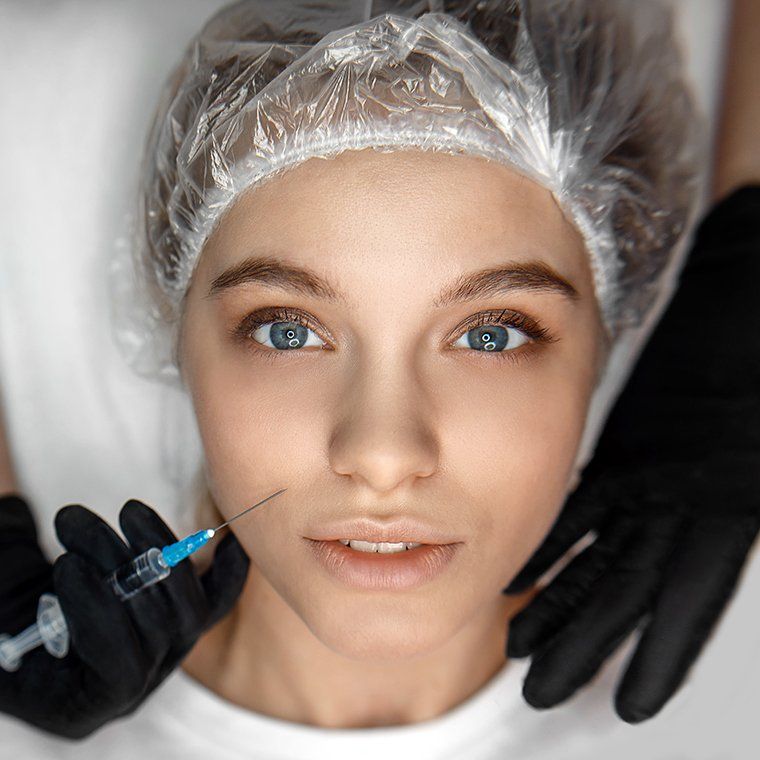
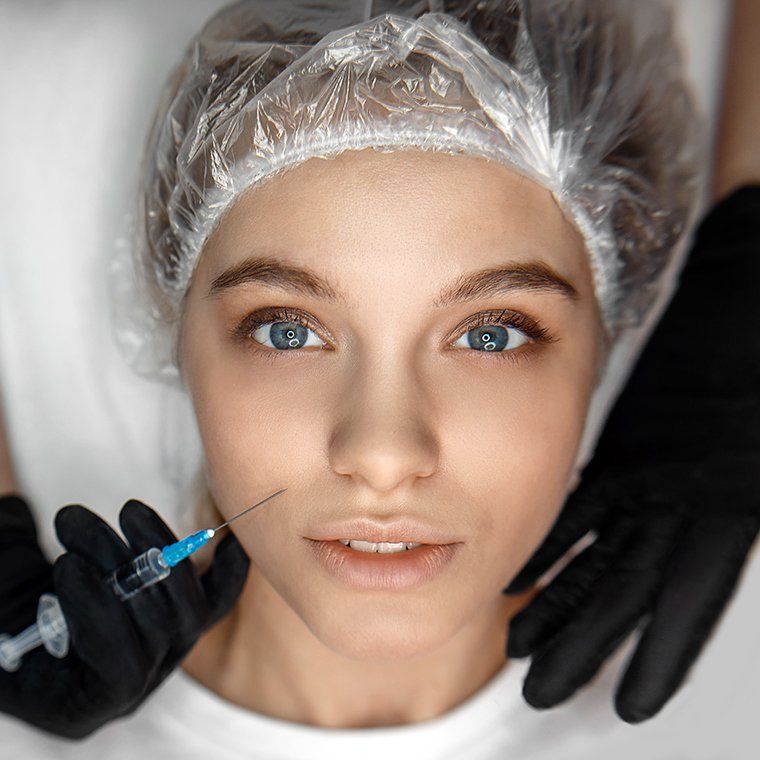
- Application: PRP is injected into the target area with fine needles.
Performing the blood draw, centrifugation and injection under sterile conditions with single-use materials is important for reducing the risk of infection. The procedure is usually completed within 15–30 minutes, and most people can return to their daily routine the same day.
Brief discomfort similar to a standard blood test may be felt during the blood draw, and a stinging or burning sensation during the injections. A numbing cream may be used for comfort; the level of discomfort varies from person to person.
Number of Sessions and Duration of Effect
The number of sessions is not standard; it is planned according to the treatment area, the severity of the concern, the person’s age and the response to treatment. Usually several sessions may be performed at 2–4 week intervals; afterwards, maintenance sessions may be planned following the doctor’s assessment. More frequent treatments do not mean better results.
The effect of PRP usually does not appear immediately. Since the aim is to support the biological renewal process, it may take a few weeks for changes to be noticed, and a few months for hair treatments. The degree and duration of the effect vary from person to person.
Aftercare Points to Note
- A cold compress may be applied to the treated area during the first 24 hours.
- The injection area should be kept clean and dry and should not be rubbed.
- Activities such as strenuous exercise, saunas, Turkish baths and hot showers should be postponed for a few days.
- Care should be taken to protect the skin from the sun.
- Painkillers that may be used after the procedure are determined by the doctor; since some medications are thought to possibly reduce the effect of PRP, no medication should be taken without consulting the doctor. Regular medications should also not be stopped without consulting the doctor.
Possible Side Effects
Because PRP is prepared from the person’s own blood, the risk of an allergic reaction is usually low. However, as with any injection procedure, pain, tenderness, redness, mild swelling, bruising and bleeding may occur at the injection site. Less commonly, infection or damage to surrounding tissues may develop. Possible risks should be discussed with the doctor before the procedure.
Who May It Not Be Suitable For?
PRP may be postponed or considered unsuitable in the following situations:
- Active infection in the treatment area
- Severely low platelet count, significant clotting disorders or certain blood diseases
- Use of blood-thinning medication
- Uncontrolled systemic diseases or an active phase of a rheumatological disease
- Active cancer treatment
- Pregnancy and breastfeeding
The presence of these conditions does not always mean that the treatment cannot be performed; the decision on suitability is made by the doctor after assessing the person’s medical conditions and medications together.
Conclusion
PRP is a method that does not require surgery, based on applying platelet-rich plasma prepared from the person’s own blood to the face or scalp. It aims to support skin quality and hair follicles; it does not give the same result in everyone. Suitability and the session plan are determined following the doctor’s assessment; results vary from person to person.