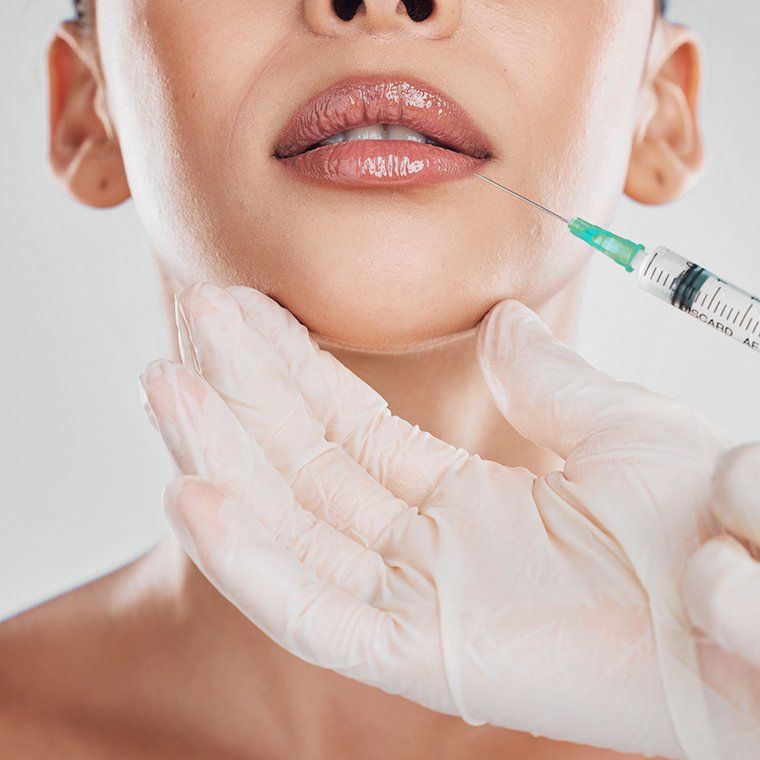
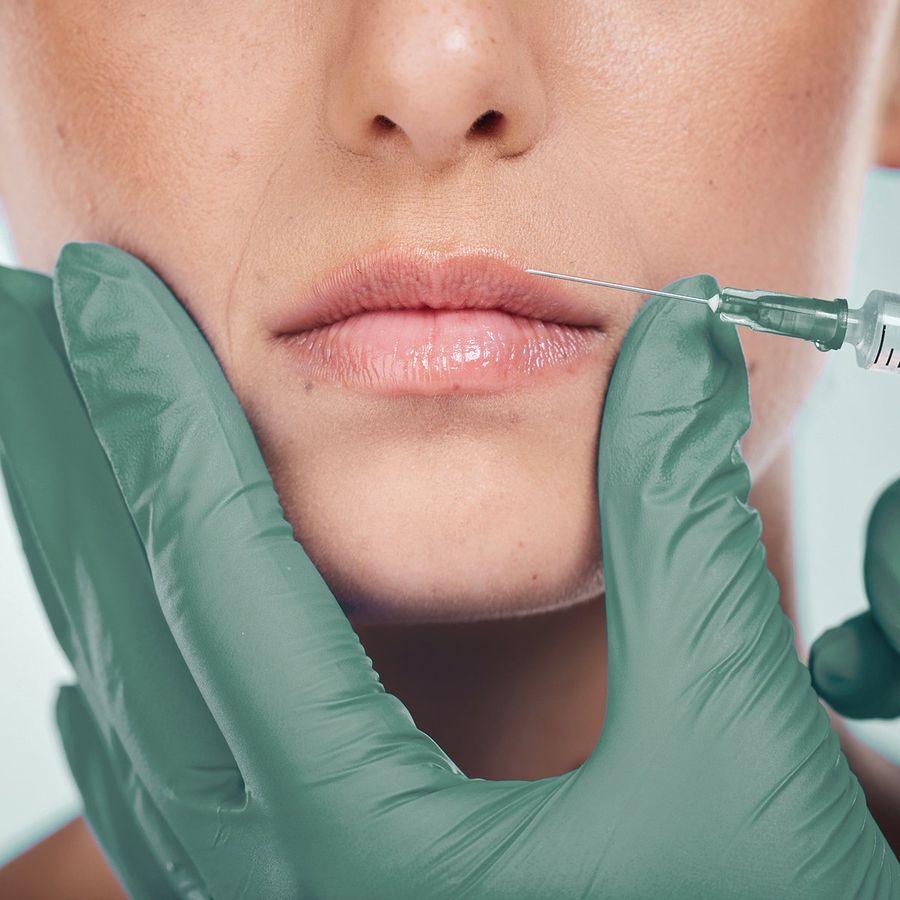
Lip filler is an aesthetic treatment, usually performed with hyaluronic acid-based fillers, that aims to add volume to the lips, define their contour and reduce asymmetries. It may be planned not only to enlarge the lips, but also to balance the proportion between the upper and lower lip, support volume lost with age and reduce the appearance of fine lines around the mouth. It does not require surgery; suitability and possible risks are assessed with the doctor before the procedure.
What Is Lip Filler Used For?
With age, the lips may lose volume and moisture, and fine wrinkles may form around them. The main goals of lip filler are:
- To add volume to thin lips in a controlled way,
- To define the lip contour and the curve of the upper lip known as the Cupid’s bow,
- To balance the proportion between the upper and lower lip,
- To reduce congenital or acquired asymmetries,
- To support the corners of the mouth,
- To soften the appearance of fine lines around the lips.
Every lip structure is different. The aim is to support the existing shape of the lips without changing the facial structure, and to achieve an understated look in harmony with the proportions of the face. For very thin lips, gradual planning may be preferred rather than creating significant volume in a single session.
The Filler Material Used: Hyaluronic Acid
Hyaluronic acid-based fillers are the most commonly used for lip filler. Hyaluronic acid is a molecule naturally found in the body with a high capacity to hold water. These fillers are gradually broken down and absorbed by the body over time; for this reason, lip filler is not permanent but a temporary treatment. When considered necessary, hyaluronic acid fillers can be reduced or dissolved with an enzyme called hyaluronidase; even so, the possible risks of any filler procedure should be discussed with the doctor.
How Is Lip Filler Performed?
- Examination and planning: Your expectations are discussed; lip volume, contour, asymmetries, upper-to-lower lip proportion, previous treatments, medications and health status are assessed.
- Cleansing and numbing: The area is cleansed with an antiseptic. A numbing cream may be used for comfort; some filler products also contain a local anaesthetic. Because the lips are a sensitive area, stinging, burning or pressure may be felt; the discomfort felt varies from person to person.
- Applying the filler: The filler is applied in a controlled way to the planned points with a fine needle or cannula. The amount and distribution are determined by the doctor according to the proportions of the face.
- Check: Symmetry and contour are assessed; small adjustments are made if considered necessary.
The procedure usually takes 15–30 minutes, and you can return to your daily life. Because of the swelling immediately after the procedure, the final appearance of the lips is not assessed on the same day.
How Much Filler Is Used?
The amount used is not the same for everyone; the existing lip volume, tissue structure, previous fillers and the desired look are taken into account. The same amount of filler may look different on different lip structures. Especially for first-time filler patients, starting with a controlled amount and assessing the result after the swelling has subsided may be preferred; if needed, additional volume is planned at a follow-up session.
Recovery and Duration of Effect
The volume effect may be visible immediately; however, because of swelling in the first days, this is not the final result. Swelling is mostly noticeable in the first 24–48 hours and may take up to a week to subside completely; tenderness, redness, bruising and temporary asymmetry due to swelling may occur. If the procedure is planned before an important event, it may be advisable to have it at least two weeks in advance.
The effect of the filler decreases gradually over months. The duration varies with the properties of the product used, the amount applied, metabolism, lip mobility, smoking and previous treatments; in some people it may last around 12–18 months, while in others it may decrease earlier. Because frequent and uncontrolled top-ups before the effect has fully worn off may lead to excessive volume, the timing of a touch-up is determined by examination.
Aftercare Points to Note
- Unnecessary pressure should not be applied to the lips, and they should not be massaged unless the doctor recommends it; movements that compress the lips, such as kissing, may be avoided for the first 24 hours.
- You should not eat until the numbness has worn off, and very hot food and drinks should be avoided.
- Avoiding strenuous exercise and alcohol on the first day may be recommended; saunas, Turkish baths and very hot environments should be avoided for the first 24–48 hours.
- Lipstick or lip make-up may not be recommended immediately after the procedure; the waiting time is determined by the doctor.
- The lips should be kept clean, and the injection points should not be touched or picked at.
- Blood-thinning medications should not be stopped or started without the doctor’s advice; any planned dental treatment should be reported to the doctor.
Who Can Have It, and When Is It Postponed?
Following the doctor’s assessment, lip filler may be considered for adults whose general health is suitable, whose expectations are realistic and who want a controlled change in the appearance of their lips. It can be performed on both women and men. In the following situations the procedure may be postponed or a detailed assessment may be needed:
- Active infection around the lips, an active cold sore or the onset of a cold sore,
- Pregnancy or breastfeeding,
- Bleeding or clotting disorders, use of blood-thinning medication,
- Known allergy to the filler or to local anaesthetics,
- Uncontrolled immune system diseases,
- Recent dental treatment or infection,
- A complication related to a previous filler.
Because lip injections may trigger cold sores in some people, those who have had cold sores before should tell the doctor.
Possible Side Effects and Emergency Signs
Swelling, bruising, redness, tenderness, mild pain, temporary firmness and small bumps at the injection points are common temporary effects. Less frequently, infection, persistent nodules, an allergic reaction, migration of the filler to an unwanted area or irregularities in shape may develop. A rare but important complication is the filler entering or compressing a blood vessel; this requires urgent intervention.
If any of the following symptoms occurs, contact the doctor who performed the treatment without delay:
- Increasing or unusually severe pain,
- Whitening of the lip or surrounding area; purple, grey or net-like (mottled) discolouration; marked coldness,
- Rapidly increasing one-sided swelling, pus or fever,
- Blurred vision, loss of vision, eye pain or neurological symptoms (urgent medical assessment is needed).
Filler treatments should only be performed in a medical setting and by a doctor. Needle-free devices that push filler under the skin by pressure may carry serious risks such as uncontrolled spread, infection and blockage of blood vessels.
Summary
Lip filler is a non-surgical aesthetic treatment with a temporary effect that aims to give the lips volume, symmetry and shape. The amount of filler, injection points and technique are planned according to the person’s lip anatomy and expectations; a balanced result is aimed for, and the duration of the effect varies from person to person.