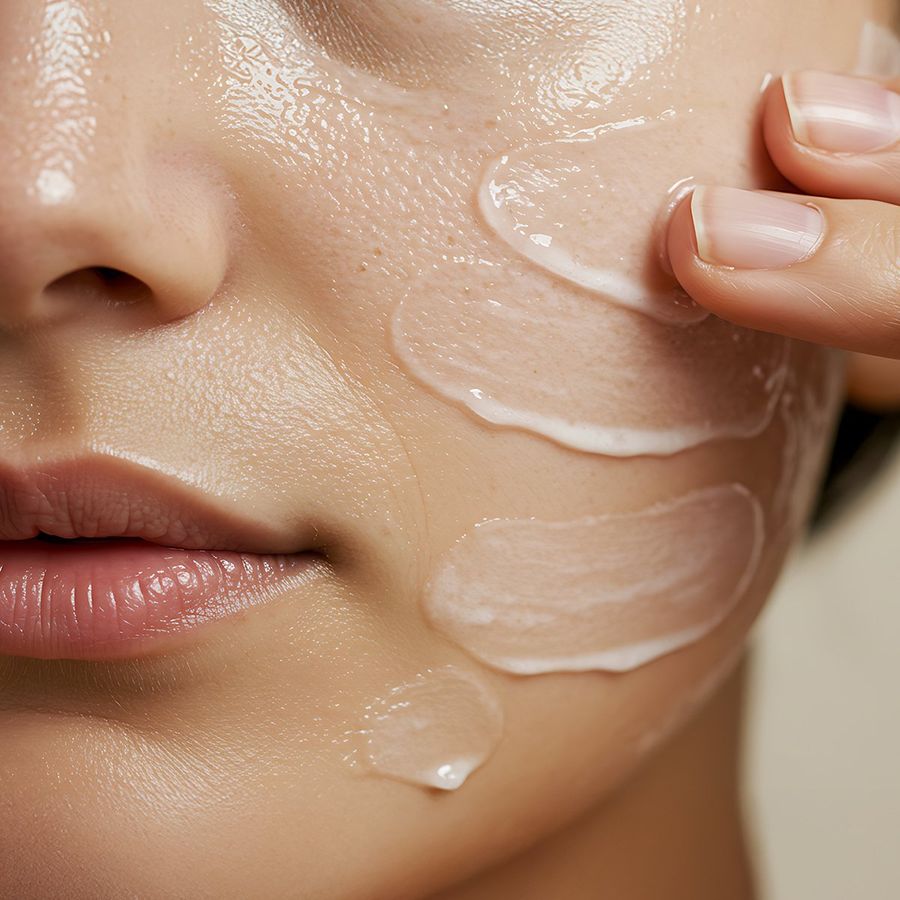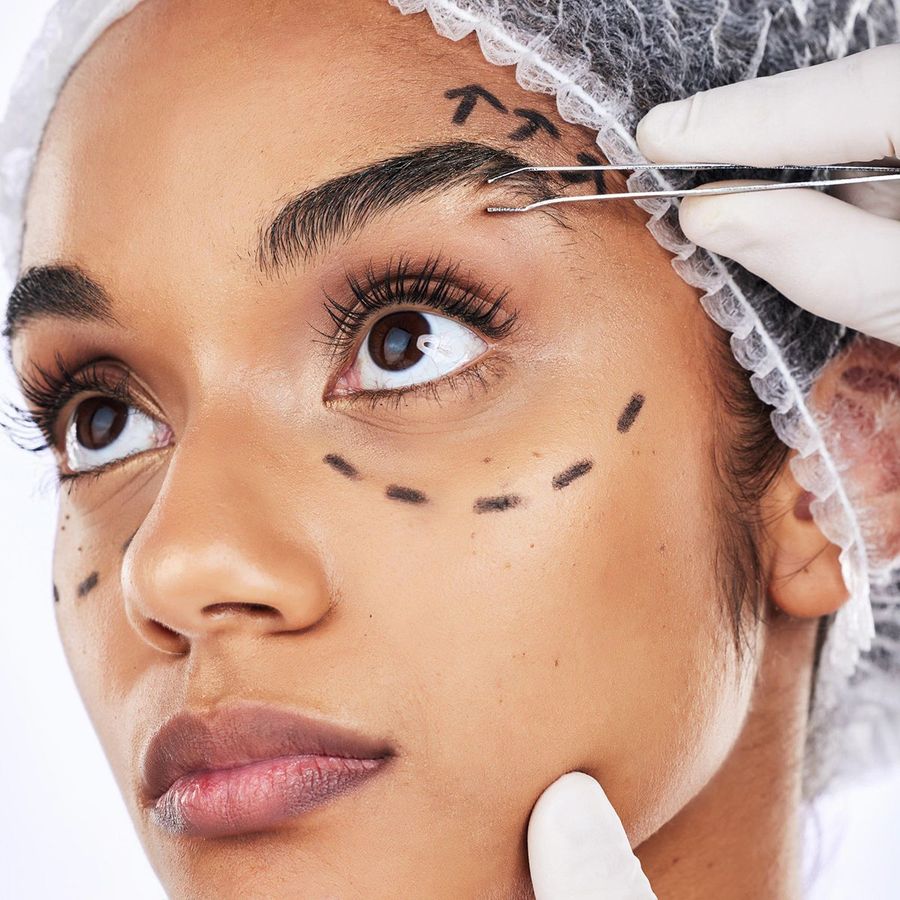
Pink Glow is a mesotherapy-based skin rejuvenation protocol applied with micro-injections to help the skin look more hydrated, vibrant and radiant. It takes its name from the pink colour of its blend. It may be considered, following the doctor’s assessment, for concerns such as a dull appearance, uneven tone, superficial sun-related spots and loss of hydration. The aim is not to change a person’s natural skin colour, but to help reduce the appearance of dullness and pigment irregularities.
What Does It Contain?
- Hyaluronic acid: Supports the skin’s capacity to retain water. Its purpose in Pink Glow is not to add volume, but to support moisture balance and skin quality.
- Amino acids and peptides: Amino acids are the building blocks of proteins; peptides are thought to possibly support the skin’s renewal processes.
- Vitamins and coenzymes: Play a role in cellular metabolism and antioxidant defence mechanisms.
- Minerals: Intended to contribute to the functioning of skin cells.
- Antioxidant components: Intended to help reduce the effects of oxidative stress and to support treatments targeting uneven tone.
What Is the Aim?
- Helping to reduce a dull, tired-looking complexion
- Softening uneven skin tone and the appearance of superficial spots
- Supporting the skin’s hydration level
- Helping to reduce the appearance of fine lines and pores
- Helping the skin texture look smoother
Results vary from person to person depending on skin type, the type of pigmentation, the technique used, other treatments performed alongside it, and sun protection habits.
Not all pigmentation is the same. Melasma, sun spots and discolouration after acne or inflammation may require different approaches. In conditions with a high tendency to recur, such as melasma, Pink Glow can only be considered as a supportive part of a treatment plan. For this reason, the type of pigmentation is assessed by the doctor before treatment.
Does It Whiten the Skin?
Pink Glow is not applied to change a person’s natural skin colour. The radiant appearance it aims for is related to supporting the skin’s hydration and reducing pigment irregularities. Pink Glow is also not a classic filler; it is not used to contour facial features or create volume.
Who May It Be Considered For?
- People whose skin looks dull, lifeless and dehydrated
- Those with a tired-looking complexion due to sun, stress, smoking or environmental factors
- Those concerned about fine lines and loss of elasticity
- Those with uneven tone or superficial spots
Pink Glow can be applied to both women and men; suitability is assessed by the doctor based on skin type and existing concerns rather than age or gender.
How It Is Applied
First, skin type, medications, existing medical conditions and, if present, the cause of pigmentation are assessed. After the skin is cleansed, a numbing cream may be used for comfort. A mild stinging or burning sensation may be felt during the micro-injections; the level of discomfort varies from person to person.
The product is applied to the face, neck and décolleté with mesotherapy micro-injections or another technique the doctor considers appropriate; the backs of the hands and the eye area may also be assessed. In thin, sensitive areas such as around the eyes, the technique and amount of product are planned separately. A session usually takes 20–30 minutes, and most people can return to their daily routine afterwards.
Using an original product that has been stored under appropriate conditions with intact packaging, and performing the treatment under sterile conditions, are important for reducing the risk of infection and allergic reactions.
Session Plan and Duration of Effect
There is no single number of sessions that applies to everyone. A programme of 3–4 sessions at 2–4 week intervals may usually be planned; the number of sessions is determined by the doctor according to the type and intensity of pigmentation, the skin’s hydration, age, previous procedures and the response to treatment.
Changes in hydration and vibrancy may be noticed after the first session, while changes in tone and pigmentation may appear more slowly. The effect fades over time: sunlight, hormonal changes, stress and smoking may lead to dullness or pigmentation again. If needed, maintenance sessions may be planned following the doctor’s assessment. Especially for people prone to pigmentation, regular sun protection is as important as the treatment itself.
Pink Glow and PRP
PRP uses platelet-rich plasma obtained from the person’s own blood. Pink Glow, on the other hand, uses a pre-prepared formulation, and its focus is hydration, radiance and even tone. For suitable people, the two methods may be planned together in separate sessions as part of an individual programme.
Who May It Not Be Suitable For?
- Pregnancy and breastfeeding
- Active infection, active cold sores, open wounds or inflammatory skin disease in the treatment area
- Known allergy to any of the ingredients
- Bleeding and clotting disorders, use of blood-thinning medication
- Uncontrolled chronic diseases or certain diseases that affect the immune system
Medications should not be stopped without the doctor’s advice; the decision on suitability is made after a health assessment.
Aftercare Points to Note
Redness, mild swelling, tenderness, small bruises, temporary bumps at the injection points and mild itching may occur; these usually resolve within a short time. The following are usually recommended:
- Not touching the treated area in the first hours and not squeezing the bumps
- Not washing the skin for the first 24 hours and not wearing make-up for the period specified by the doctor
- Avoiding saunas, Turkish baths, very hot showers and intense exercise for the first 2 days
- Pausing peels, retinoids and products containing irritating acids
- Regularly reapplying a high-SPF sunscreen
Rarely, infection, allergic reaction, prolonged redness or changes in pigmentation may develop. In case of severe pain, increasing swelling, discharge, skin discolouration or shortness of breath, medical care should be sought.
Conclusion
Pink Glow is a multi-ingredient mesotherapy treatment that may be considered for people with dullness, loss of hydration, uneven tone and superficial pigmentation. For changes in the appearance of pigmentation, correctly identifying the type of pigmentation, regular sun protection and, when needed, planning alongside other treatments are important. Suitability is determined after the doctor’s examination; results vary from person to person.