Hair PRP is a procedure in which platelet-rich plasma prepared from the person’s own blood is applied to the scalp with the aim of supporting the hair follicles. PRP is the abbreviation of “Platelet-Rich Plasma”. The treatment aims to help slow down hair loss and strengthen the hair strands.
This method may be applied as a supportive treatment in women and men, particularly in the early stages of hair loss, depending on the doctor’s assessment. PRP is not a hair transplant method; it is a complementary treatment that aims to support existing hair follicles.
How Does It Work?
The platelets in PRP contain biological components called growth factors. These components are intended to support the tissues around the hair follicles and the renewal processes in the scalp.
How the Treatment Is Applied
- Blood draw: 10–20 ml of blood is drawn.
- Separation: The blood is spun in a centrifuge to separate the platelet-rich plasma.
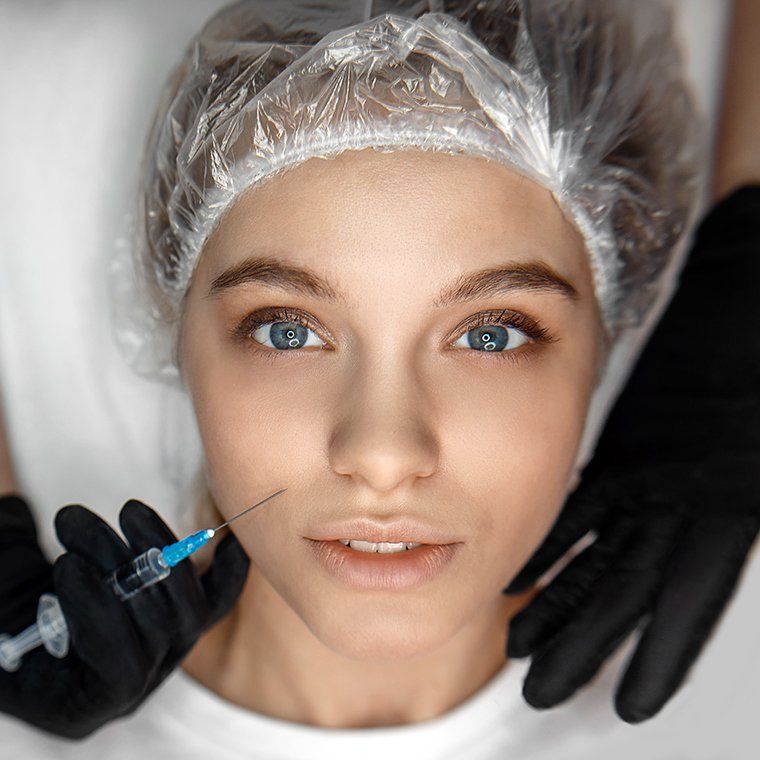
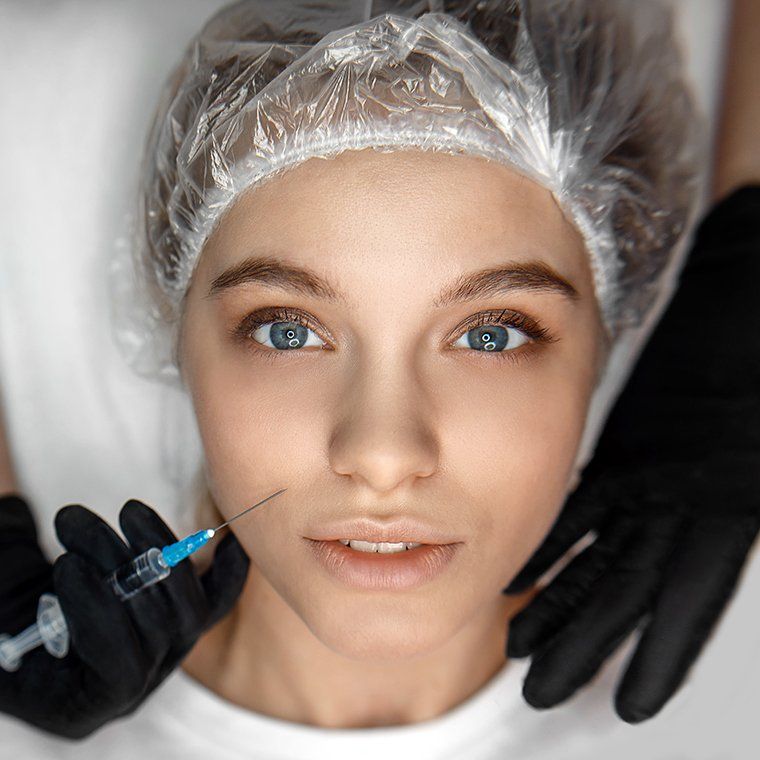
- Injection: The prepared PRP is applied with fine needles to the areas of the scalp where it is needed.
It is important that the blood draw, centrifugation and injection are performed under sterile conditions with single-use materials. The procedure takes about 30 minutes on average, although this varies with the size of the treatment area.
Because small injections are made into the scalp, mild stinging, burning or tenderness may be felt. A numbing cream may be used for comfort; the level of discomfort varies from person to person.
What Is It Used For?
Depending on the doctor’s assessment, hair PRP may be applied for the following purposes; results vary from person to person:
- Helping to slow down hair loss
- Supporting the hair follicles
- Supporting the thickness and strength of thinned hair strands
- Supporting circulation in the scalp
- Supporting the healing process after a hair transplant
Who Can It Be Used For?
- People with male or female pattern (genetic) hair loss
- People with seasonal hair loss
- People with thinning hair strands and reduced density
- People seeking support before or after a hair transplant
In areas where the hair follicles have been completely lost and no hair has grown for a long time, PRP is not expected to create new hair follicles.
The Cause of Hair Loss Should Be Assessed First
Hair loss can also be caused by iron deficiency, thyroid disease, hormonal problems, severe stress, nutritional disorders and certain dermatological conditions. Applying PRP alone without identifying the cause may not be sufficient; for this reason, the cause of hair loss should be assessed before the procedure. In women, hormonal or systemic causes should also be investigated.
How Many Sessions Are Needed and When Is the Effect Seen?
The session plan is tailored to the individual after an examination of the hair and scalp. Usually 3–4 sessions are performed, each 3–4 weeks apart. Afterwards, 1–2 maintenance sessions per year may be planned depending on the doctor’s assessment.
Because the hair growth cycle is long, it may take a few months for the first changes to be noticed. A reduction in shedding is aimed for in the early period, and stronger-looking hair strands later on. Since the genetic or hormonal factors causing hair loss may persist, the effect may diminish over time.
Points to Note
- Hair should not be washed for 24 hours after the treatment, and no chemical products should be applied to the scalp.
- The scalp should not be rubbed or scratched.
- Saunas, Turkish baths and intense exercise should be paused for the first few days.
- The scalp should be protected from the sun.
Individual recommendations are given by the doctor performing the treatment.
Possible Side Effects
Because PRP is prepared from the person’s own blood, the risk of an allergic reaction is usually low. However, since it is administered by injection, redness, tenderness, mild pain, bruising, swelling or a temporary headache may occur on the scalp in the first few days; these are mostly temporary. Treatments performed under non-sterile conditions may carry a risk of infection.
Who Should Not Have It?
People with a bleeding disorder, those taking blood-thinning medication, those with an active infection, certain blood diseases or a serious chronic illness must be assessed by the doctor; in these cases the treatment may be postponed or considered unsuitable. During pregnancy and breastfeeding, the decision is also made according to the individual’s health status.
Conclusion
Hair PRP is a supportive treatment that does not require surgery and uses plasma prepared from the person’s own blood. It may help slow down hair loss and strengthen the hair strands; it is not a substitute for a hair transplant, and results vary from person to person. Suitability and the session plan are determined following the doctor’s assessment.