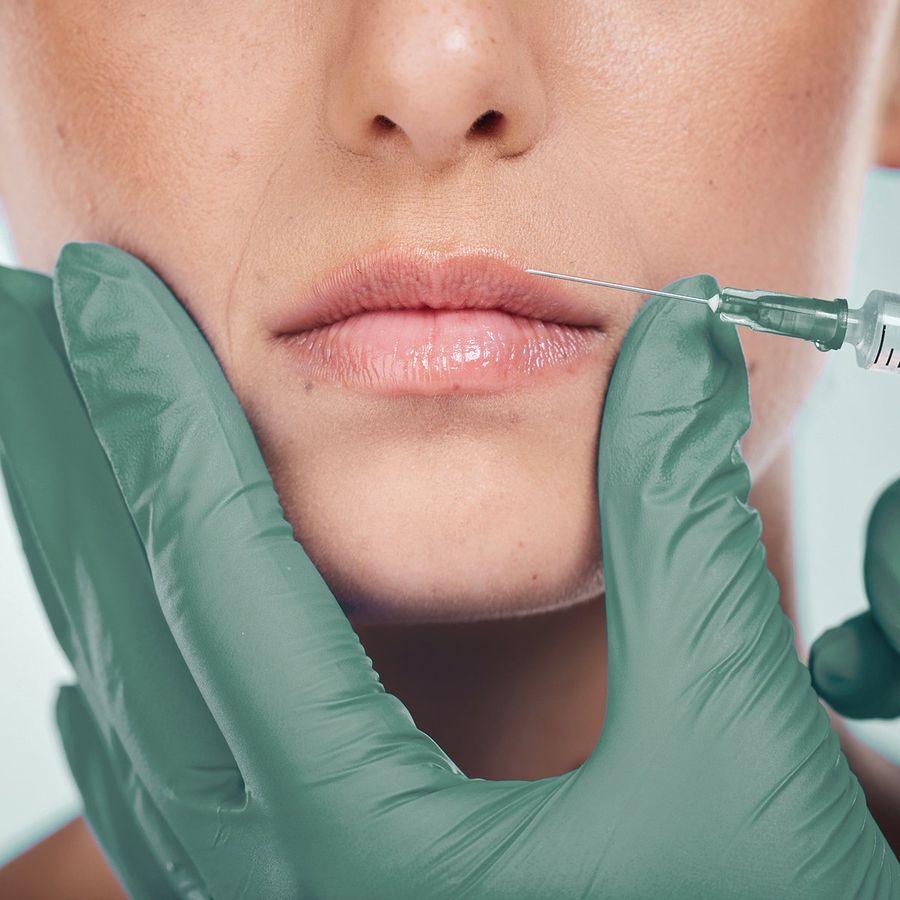

Medical filler dissolving is a procedure in which previously injected hyaluronic acid fillers are reduced or dissolved by being broken down with an enzyme called hyaluronidase. It may be considered when a person is not satisfied with the filler result, or in cases of asymmetry, overfilling, filler migration or certain filler complications. The procedure is planned in a controlled manner, with appropriate patient selection, suitable technique and sterile conditions.
What Is Hyaluronidase and How Does It Work?
Hyaluronidase is the general name for enzymes that can break down hyaluronic acid. It splits the hyaluronic acid chains in the treated area into smaller pieces; as the chains shorten, the gel structure dissolves, water retention within the tissue decreases and the volume created by the filler diminishes over time. The body clears these fragments through the lymphatic system and metabolic pathways.
The amount of enzyme to be used varies according to the density of the filler, the area where it was injected, its quantity and how long ago it was done. In some people the aim may be to reduce the entire filler, and in others only the excess or irregular part.
In Which Situations May Filler Dissolving Be Needed?
- Overfilling, or unnatural volume in areas such as the lips, cheeks or jawline,
- Noticeable asymmetry between the right and left sides,
- Migration of the filler from the injected area to a different area,
- A bluish or greyish appearance due to superficially placed filler,
- Firmness, bumps, lumps or a wavy appearance; prolonged swelling under the eyes,
- Dissolving previous filler in order to plan a new treatment,
- The person not being satisfied with the result or wishing to return to a more natural appearance,
- Suspected vascular occlusion (emergency).
Not every swelling or asymmetry seen after filler means the treatment was done incorrectly; oedema and temporary irregularities may occur in the first days. If there is no emergency, it may be more appropriate to wait for the area to heal before assessing it.
Which Fillers Can Be Dissolved?
Hyaluronidase is effective only on fillers that contain hyaluronic acid. Hyaluronic acid fillers used in the lips, chin, jawline, cheekbones, under-eye area, nose and nasolabial area can be partially or completely dissolved. Fillers such as calcium hydroxyapatite, poly-L-lactic acid and PMMA, permanent fillers, silicone-containing substances and fat injections are not dissolved by hyaluronidase.
For this reason, it is important to know the type of substance used previously. If it is not known, the area can be assessed through examination findings and, when deemed necessary, ultrasound imaging.
How Is the Procedure Performed?
- Assessment and planning: The type of filler, the date it was injected, its amount and depth, and the person's complaints are assessed.
- Allergy screening: You are asked about any history of allergy to hyaluronidase or to bee stings; when deemed appropriate, additional assessment or a small test dose may be considered.
- Preparation: The area is cleaned with an antiseptic; a numbing cream or cold application may be used for comfort.
- Injection: Hyaluronidase is injected into the points where the filler is located with a very fine needle or cannula, and if necessary at several small points.
- Observation and follow-up: A short period of observation follows the procedure and a follow-up examination is planned.
The procedure usually takes a short time; the duration varies depending on the size of the treated area. A mild burning, stinging or tenderness may be felt during the injection; the level of discomfort varies from person to person.
When Is the Effect Seen, and Is One Session Enough?
The enzymatic effect may begin within a short time; however, post-procedure swelling may mask the true result in the first hours. The reduction in volume is usually noticed within the first few days; for the final assessment, it is advisable to wait until the swelling has subsided.
It cannot be said in advance that the filler will dissolve completely in a single session. While small amounts of superficially placed filler may decrease noticeably after one treatment, dense, old, highly cross-linked or widely spread fillers may require more than one session. Controlled, gradual dissolving may help aim for a more balanced result, especially in delicate areas.
Effect on Natural Tissue
Hyaluronidase does not dissolve facial tissue or fat tissue; however, it is not an enzyme that targets only the filler, and it may temporarily affect the natural hyaluronic acid in the area. The body continues to produce its own hyaluronic acid. After dissolving, the area may look emptier, wrinkled or hollow in the first days; this may also be related to the loss of the volume provided by the filler and the reduction of swelling.
Possible Side Effects
Redness, swelling, tenderness, a burning sensation, itching, bruising and temporary pain may occur; these are mostly temporary. The filler volume may also decrease more than expected, or temporary irregularity and asymmetry may occur. An allergic reaction is rare but can develop; hives, widespread swelling, difficulty breathing or a feeling of tightness in the throat require emergency assessment.
What to Tell Your Doctor and When the Procedure Is Not Suitable
- Allergy to hyaluronidase, or a history of serious allergy to bee or wasp stings,
- Active infection or severe inflammation in the treatment area (the risk of the infection spreading to surrounding tissue may increase),
- Medications used regularly and blood thinners,
- Diseases related to the immune system,
- Pregnancy or breastfeeding,
- Previous filler dissolving, or not knowing which filler was used.
Signs of Vascular Occlusion
Vascular occlusion after hyaluronic acid filler is a rare complication that requires prompt intervention. If there is severe or increasing pain, sudden whitening of the skin, purple, grey or net-like (mottled) discolouration, coldness of the area, blistering or wound formation, blurred vision or loss of vision, sudden severe pain around the eye, or neurological symptoms, you should not wait for the routine follow-up appointment. In this case, hyaluronidase may need to be administered as soon as possible; this is an emergency medical intervention, different from planned aesthetic dissolving.
Aftercare Points to Note
- On the first day, unnecessary pressure should not be applied to the area, and the area should not be massaged unless the doctor recommends it.
- It may be recommended to take a break from very hot showers, saunas, Turkish baths and strenuous exercise.
- The area should be kept clean; creams or medications should not be used unless recommended by the doctor.
- For swelling and bruising, short-term cold application may be used if the doctor considers it appropriate.
- If complaints increase or signs of allergy develop, you should seek care at a healthcare facility.
Can Filler Be Injected Again?
Filler can be injected again after dissolving; however, doing so immediately is not always preferred. It is advisable to wait for the swelling to subside, for the natural appearance of the tissue to emerge and for it to be seen that the previous filler has dissolved sufficiently. This period is usually a few weeks; the appropriate timing is determined by the doctor according to the area and the extent of the dissolving.
Summary
Medical filler dissolving is a short, controlled procedure used for unwanted appearance and certain complications related to hyaluronic acid fillers. All or only part of the filler may be targeted; the result and the number of sessions needed vary from person to person. With symptoms such as severe pain, skin discolouration or vision problems, medical help should be sought without delay.