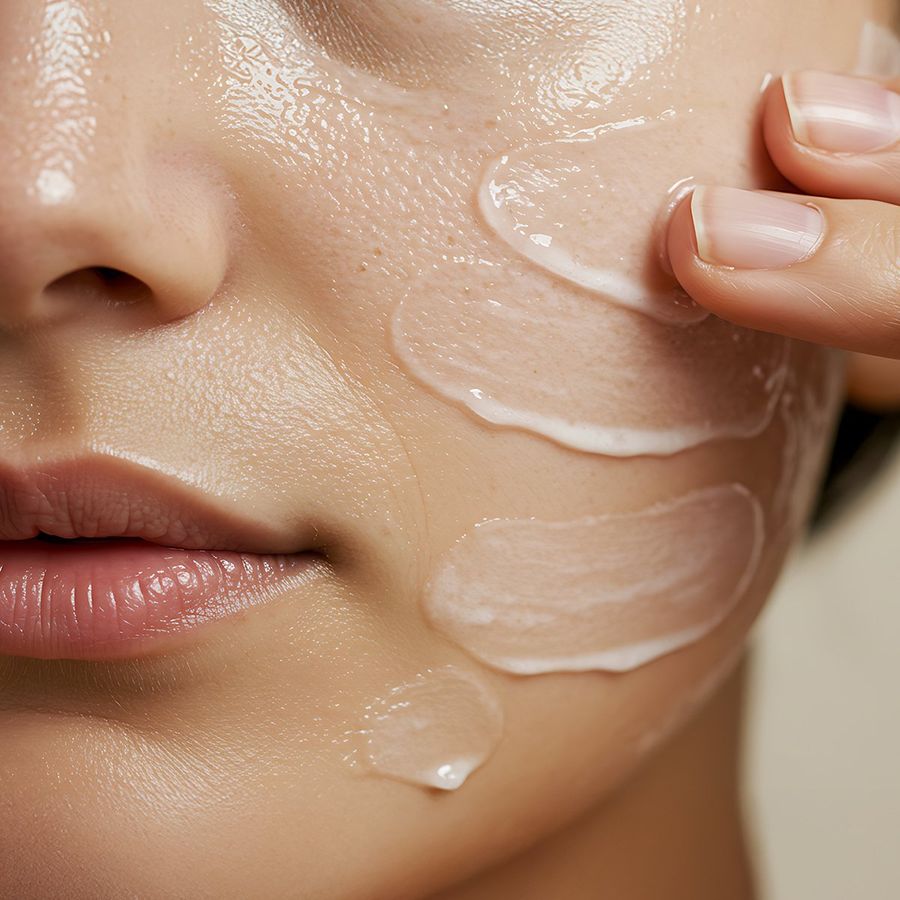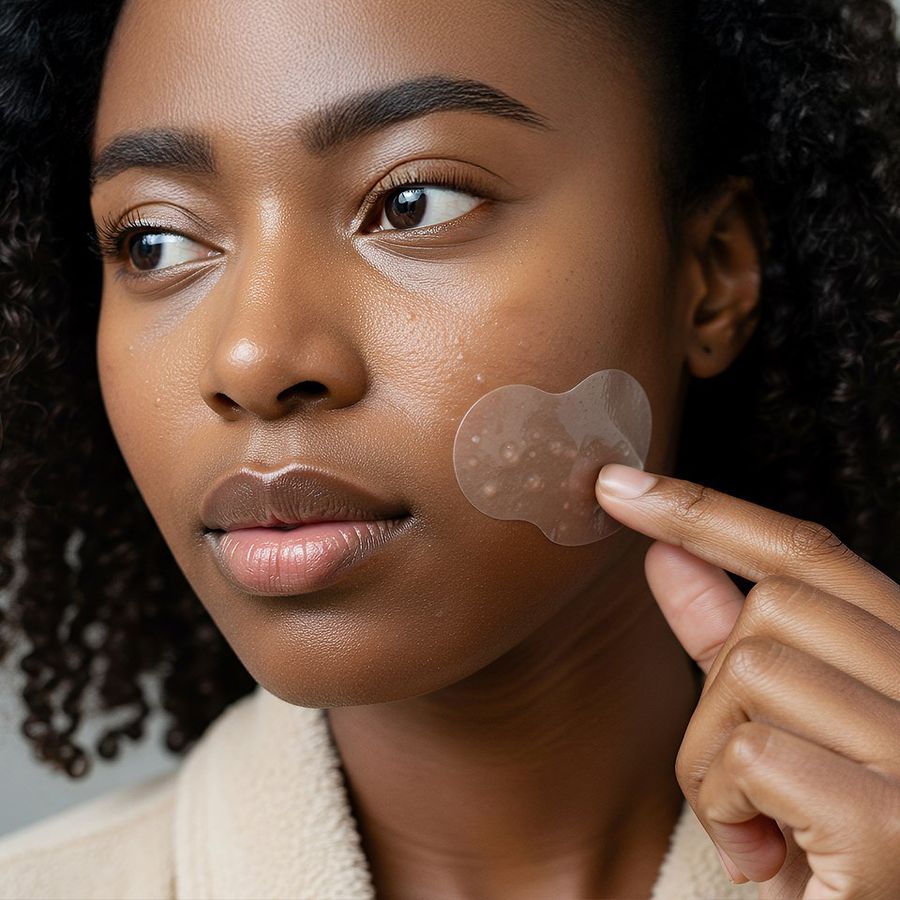

A liquid facelift is a non-surgical, injection-based facial rejuvenation approach that targets age-related volume loss, contour changes and some wrinkles. Depending on the face’s needs, hyaluronic acid fillers, injections intended to support collagen production and, when needed, Botox may be planned together. It is not a standard filler applied to a single area; the face is assessed as a whole. The aim is not to change the face or add excessive volume, but to support a more rested and balanced appearance while preserving the person’s facial proportions.
How Does It Work?
Ageing does not only cause wrinkles; volume loss and displacement of the facial fat pads, bone resorption, laxity of connective tissue and declining skin quality may also occur. As a result, hollow temples, shadowing under the eyes, less defined cheekbones, deepening of the lines running from the sides of the nose to the corners of the mouth, downturned mouth corners and a less defined jawline may appear.
Rather than simply filling the visible line, a liquid facelift aims to support volume loss in the structural support areas of the face. In this way, a more balanced appearance of the mid and lower face is aimed for.
Methods Used
Hyaluronic Acid Fillers
Hyaluronic acid is a substance found naturally in the body that has water-retaining properties. Hyaluronic acid fillers are used to support volume loss, define facial contours and soften some wrinkles. The density and elasticity of the product and the tissue depth at which it is placed differ by area; the same product may not be suitable for every area. When considered necessary, hyaluronic acid fillers can be reduced or dissolved with the enzyme hyaluronidase; however, not every type of filler can be dissolved this way, so it is important to know the content of the product used.
Collagen-Stimulating Treatments
In addition to providing volume, some injectable products aim to support the skin’s collagen production. Their effects usually become apparent over time, and more than one session may be needed depending on the person.
Botox
Botox may be planned for expression lines on the forehead, between the eyebrows and around the eyes. Botox does not add volume; it helps soften dynamic wrinkles by reducing muscle movement in a controlled way. For this reason, filler and Botox are not alternatives to each other but treatments for different concerns.
Treatment Areas
Depending on facial anatomy and needs, the following areas may be assessed:
- Temples
- Cheekbones and mid-face
- Under-eye area (not suitable for everyone; bags, a tendency to swelling and skin type are assessed separately)
- Nasolabial lines (lines running from the sides of the nose to the corners of the mouth)
- Mouth corners and marionette lines
- Chin and jawline
Not every area needs to be treated in the same session; the plan is determined according to facial structure and the products to be used.
How Is the Treatment Performed?
The face is assessed from the front and in profile; bone structure, skin quality, volume loss, facial expressions and differences between the two sides are examined. Then:
- The person’s expectations are discussed and the areas to be treated are determined.
- The skin is cleansed and an antiseptic is applied.
- A numbing cream may be used for comfort; some fillers also contain an anaesthetic.
- The selected products are injected into the appropriate tissue layers using a needle or cannula.
- At the end of the procedure, the face is reassessed.
The treatment usually takes 30–60 minutes; the duration varies with the number of areas. A stinging, pressure or mild burning sensation may be felt; the level of discomfort varies with the treatment area and the person. The plan may be completed in a single session or applied in stages for a more controlled and natural result.
When Are Results Seen and How Long Do They Last?
Volume and contour changes made with hyaluronic acid fillers can usually be noticed right after the procedure. However, because of swelling in the first days, the final appearance is usually assessed within 1–2 weeks. With collagen-stimulating treatments, change appears gradually over weeks or months.
The effect of a liquid facelift fades over time. The effect of hyaluronic acid fillers mostly lasts for months; this duration varies from person to person depending on the product’s content, the treatment area, the amount, age, tissue structure, metabolism and lifestyle habits. Since overly frequent or excessive filler may lead to an unnatural appearance, follow-up and repeat timings are determined by the doctor.
Who May It Be Considered For?
- Those with mild to moderate volume loss in the face
- Those with hollow temples or reduced mid-face support
- Those who want the chin and jawline to look more balanced
- Those concerned about a tired-looking face
- People who are not considering surgery
The treatment can be performed on women and men; in male faces, the different proportions of the jawline, chin and cheek area are taken into account in planning. Suitability is not determined by age alone; two people of the same age may have different facial structures and volume loss.
Who May It Not Be Suitable For?
- Active infection, active cold sores or serious skin disease in the treatment area
- Known allergy to the product’s ingredients
- Uncontrolled bleeding disorders
- Pregnancy or breastfeeding
- Advanced skin and tissue sagging requiring surgery
- Unrealistic expectations
Blood-thinning medication should not be stopped on one’s own initiative; all medications and existing medical conditions should be reported to the doctor before treatment.
Aftercare and Possible Side Effects
- No facial massage, no pressure on the treated area and no rubbing of the face for the first 24 hours
- Avoiding strenuous exercise on the first day, and saunas, Turkish baths and very hot environments for the first 2 days
- Using a high-SPF sunscreen
- Planning important events with possible swelling or bruising in mind, and attending the follow-up appointment
Redness, swelling, bruising, tenderness, temporary asymmetry and visible injection points may occur; these are mostly temporary. Less commonly, infection, prolonged swelling, palpable firmness, nodules or an allergic reaction may develop. Injection of filler into a blood vessel is a rare but serious complication; it may impair tissue circulation, cause skin damage and, very rarely, lead to vision problems. If there is increasingly severe pain, whitening or net-like discolouration of the skin, coldness or a change in vision, the doctor who performed the treatment should be contacted urgently.
How It Differs from a Surgical Facelift
In a liquid facelift, tissues are not surgically repositioned and no excess skin is removed; volume and contours are supported with injections. For this reason, it is not a direct alternative to a surgical facelift; on its own it may not be sufficient for advanced sagging, a double chin, neck laxity or significant excess skin.
Conclusion
A liquid facelift is a non-surgical approach in which fillers, collagen-stimulating injections and, when needed, Botox are planned according to the face as a whole. The goal is to support a more rested and balanced appearance while preserving the person’s facial character. Suitability and the treatment plan are determined through the doctor’s examination; results vary from person to person.