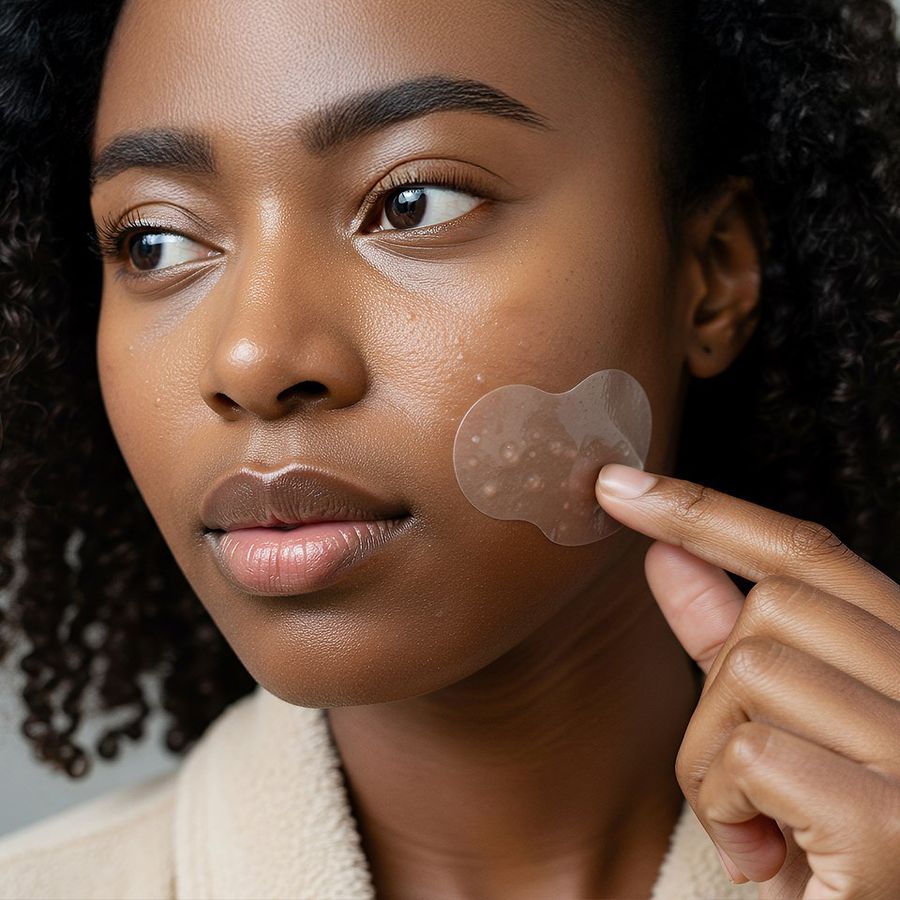
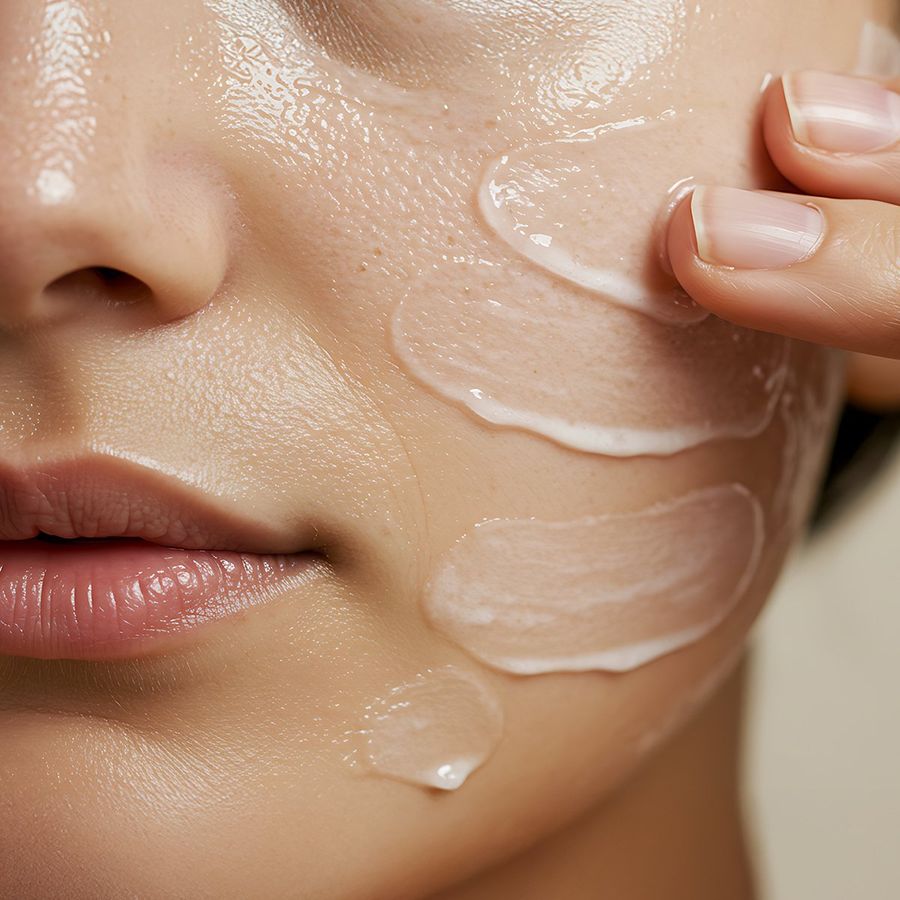
The mineral booster ("mineral injection") is an injection-based medical aesthetic method used to support skin quality and reduce the appearance of mild laxity. This treatment mostly uses biostimulator products containing calcium hydroxyapatite (CaHA). Although its Turkish name, "mineral aşı", literally means "mineral vaccine", it has nothing to do with vaccines against infectious diseases; the name describes an aesthetic treatment that aims to support the skin's renewal mechanisms.
Over time, factors such as sunlight, stress, air pollution and ageing may lead to dullness, fine wrinkles and reduced elasticity in the skin. The mineral booster is one of the non-surgical options for these changes that may be considered following a doctor's assessment.
Ingredients and Mechanism of Action
Calcium hydroxyapatite consists of synthetically produced microparticles similar in structure to minerals naturally found in the body, suspended in a carrier gel. Depending on the purpose of the treatment, the product is diluted and distributed under the skin.
The microparticles aim to stimulate the connective tissue cells beneath the skin; through this stimulation, the aim is to support the skin's own collagen and elastin production over time. The carrier gel may give a temporary fullness immediately after the procedure; the main intended effect, however, is the gradual renewal process that emerges in the following weeks.
"Mineral booster" ("mineral aşı") is not a standard product name, and different ingredients may be referred to by this name in different places. For this reason, you should ask the doctor about the content of the product to be used before the procedure.
What Is the Aim?
The main aim of the treatment is not to add volume directly to the skin, but to activate the skin's own support structure. Depending on the doctor's assessment, the following may be aimed for:
- Supporting skin firmness and elasticity
- Reducing the appearance of mild to moderate laxity
- A smoother-looking skin texture and softening of fine lines
- A more defined-looking facial contour
- Supporting skin quality on the neck and décolletage
Results vary from person to person according to age, skin structure, the treatment area and the technique used.
Treatment Areas
Depending on the doctor's assessment, the areas most often considered are the mid and lower face, cheeks, jawline, the area around the mouth, the neck and the décolletage; body areas such as the backs of the hands, inner upper arms, abdomen, above the knees and thighs may also be considered. The amount of product, dilution ratio and injection depth differ by area; the plan is made according to the person's anatomy, not according to a standard template.
How It Is Applied
Before the procedure, the area is examined and the skin is cleaned. A numbing cream may be used for comfort; some products also contain an anaesthetic. A mild stinging, burning or pressure sensation may be felt; the level of discomfort varies from person to person. The prepared product is distributed into the designated subcutaneous layer using a fine needle or cannula.
The treatment usually takes 20–30 minutes; the duration varies depending on the size of the area. Most people can return to daily life after the procedure; temporary redness, swelling or bruising may occur.
The number of sessions is individual: in some people a single treatment is considered sufficient, while in others more than one session may be planned at certain intervals. The degree of laxity, treatment area, age, skin structure, the dilution ratio of the product and previous procedures affect this plan. At the follow-up examination, whether an additional session is needed is decided according to the skin's response.
When Is the Effect Seen, and How Long Does It Last?
The fullness seen immediately after the procedure is related to the carrier gel and temporary swelling. Changes due to collagen support are usually noticed gradually over the following weeks and may continue for several months.
Because the skin continues to age, the effect diminishes over time. Its duration varies according to age, lifestyle, sun exposure, smoking, skin structure and the treatment area. Depending on the doctor's assessment, maintenance treatments may be planned at certain intervals. Regular use of sunscreen, a balanced diet, adequate sleep and avoiding smoking may help preserve skin quality.
How It Differs from Filler and Liquid Facelift
Classic fillers are mostly used to restore volume loss or to shape a specific area; the aim of the mineral booster, by contrast, is to support skin quality and connective tissue over a wide area. Products containing calcium hydroxyapatite can provide volume support when used undiluted, whereas when diluted their biostimulatory effect comes to the fore.
A liquid facelift refers to a broader treatment plan in which methods such as filler, biostimulator products and Botox may be used together. The mineral booster does not replace a surgical facelift for advanced sagging; it may be considered a supportive option for mild to moderate laxity. Depending on the doctor's plan, it may be combined with Botox or hyaluronic acid fillers; whether they are done on the same day is decided individually.
Who May It Be Considered For?
- People who are starting to lose definition of the facial contour or notice mild loosening along the jawline
- People whose neck and décolletage skin looks thinner
- People whose skin looks dull and tired, or who are concerned about fine lines
- People who want to support skin quality without a noticeable change in volume
Suitability is not determined by age alone; skin thickness, the degree of laxity, facial anatomy, previous procedures and expectations are assessed together.
Who May It Not Be Suitable For?
- Pregnancy and breastfeeding
- Active infection, active cold sores or inflammatory skin disease in the treatment area
- Bleeding disorder
- Known allergy to the product's components, or a previous serious reaction to injections
- Uncontrolled systemic diseases, or certain diseases or treatments that affect the immune system
Regular medication use, chronic illnesses and any fillers previously injected in the face should be shared with the doctor before the procedure.
Possible Side Effects
Redness, tenderness, swelling, bruising, itching, bumps at the injection points and a temporary feeling of irregularity or firmness may occur; these mostly subside within a short time. As with any injection procedure, rare but serious complications such as infection, nodule formation, intravascular injection, tissue damage and vision problems may also develop. For this reason, it is important that the procedure is performed by a doctor trained in facial anatomy and complication management.
Aftercare Points to Note
- Not touching the treated area unnecessarily, and not massaging it unless the doctor recommends it
- Avoiding saunas, Turkish baths, solariums, very hot showers and strenuous exercise in the first days
- Using sunscreen and protecting the area from direct sunlight
- Resuming make-up and skin care products at the time recommended by the doctor
- Not stopping medications or supplements that may increase the risk of bruising without the doctor's advice
Conclusion
The mineral booster is a treatment that aims to support the skin's own collagen production, mostly with biostimulator products containing calcium hydroxyapatite. Its effect appears gradually, diminishes over time and varies from person to person. Suitability for the individual and the product to be used are determined by the doctor's examination.